
3 Main Stages of Video Production Explained

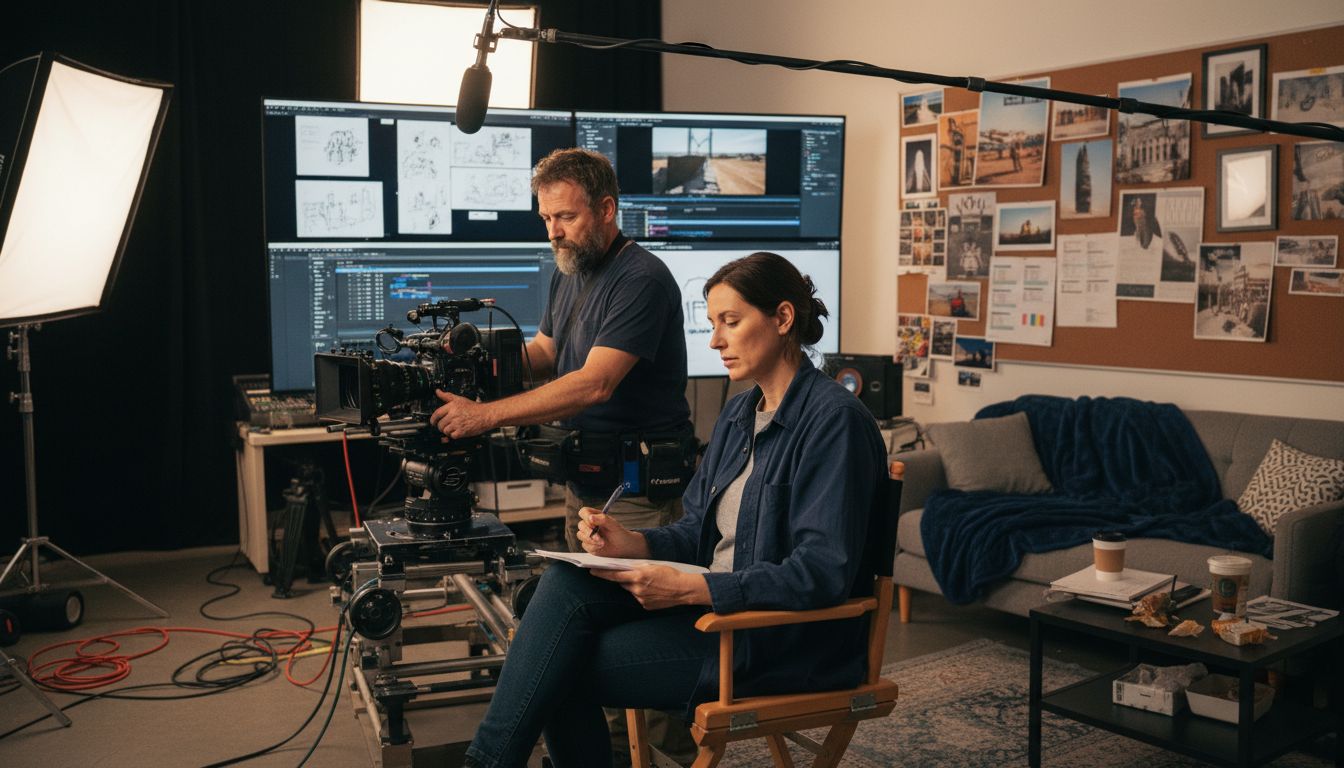
Over 80 percent of successful video projects follow a proven three-stage process that guides ideas from script to screen. Understanding how pre-production, production, and post-production work together gives any creator or marketer an edge in making visual stories that connect with viewers. Breaking down each stage reveals practical steps and best practices that help turn creative visions into high-quality video content.
Table of Contents
Key Takeaways
Point | Details |
Pre-Production is Crucial | Effective pre-production establishes the foundation for video projects, encompassing planning, budgeting, and creative alignment. |
Collaboration in Production | The production stage requires precise coordination among team roles to execute the creative vision and adapt to any challenges that arise during filming. |
Post-Production Refines Content | Post-production transforms raw footage into a cohesive narrative, emphasizing rigorous editing and technical enhancements for professional quality. |
Avoid Common Pitfalls | Thorough planning, communication, and technical preparedness are essential to prevent challenges that could disrupt the production process. |
Defining the Three Stages of Video Production
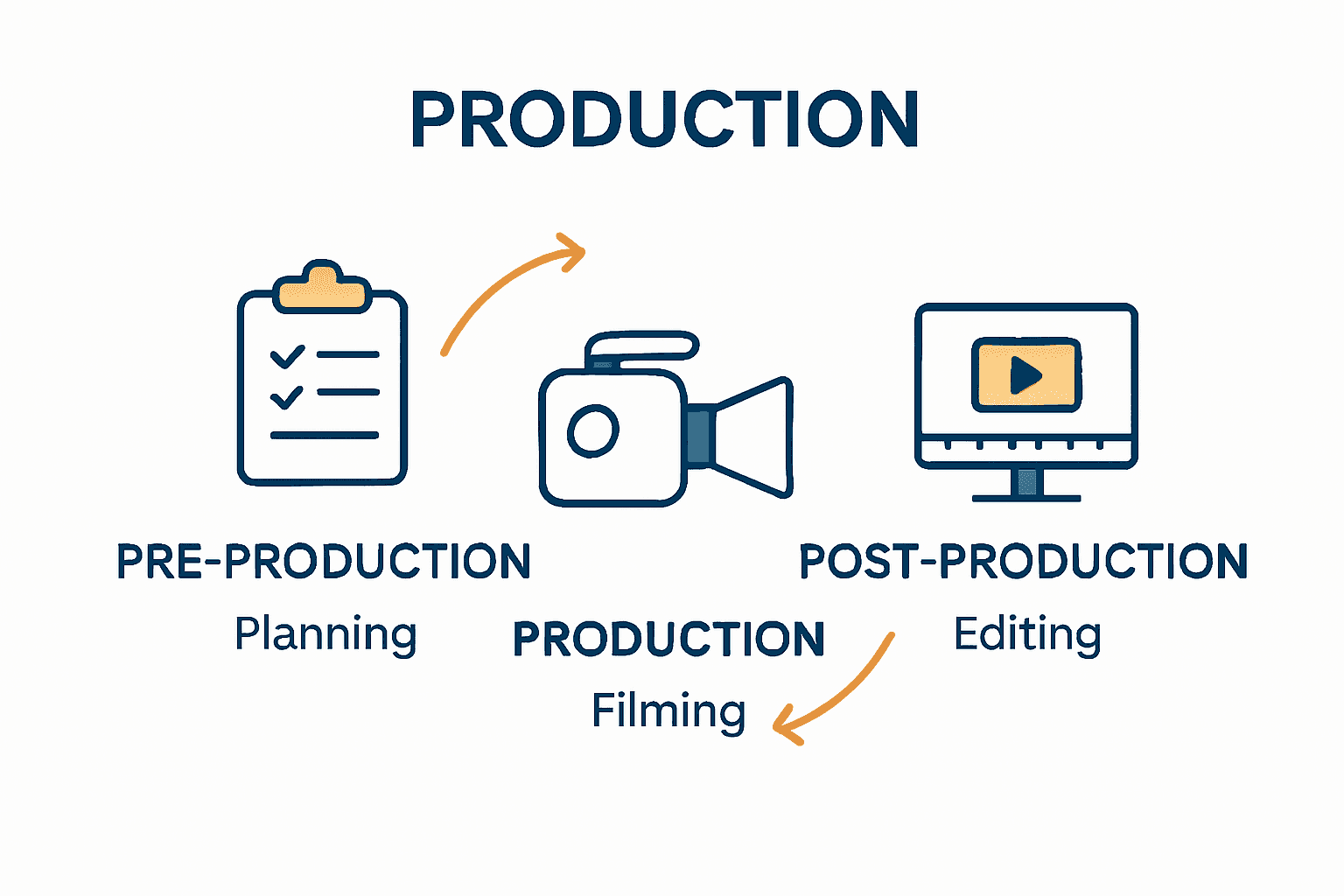
Video production is a complex, multi-stage process that transforms creative concepts into compelling visual stories. According to McGill University, the field of video production can be systematically broken down into three critical stages: pre-production, production, and post-production. Each stage plays a unique and essential role in creating high-quality video content that effectively communicates a message.
Pre-Production: This initial stage is the strategic planning phase where creative vision takes shape. During pre-production, filmmakers and creative teams develop the foundational elements of their project. Key activities include:
Developing the script or creative concept
Creating storyboards
Location scouting
Casting talent
Equipment and resource planning
Budgeting and scheduling
As Georgetown University Guides highlights, pre-production is where meticulous preparation sets the stage for successful video creation. Proper planning during this phase can significantly reduce complications and unexpected challenges during actual filming.
The production stage represents the active filming period where all prior preparations transform into real-world visual content. This is when cameras roll, actors perform, and raw footage is captured according to the carefully developed plan. Skilled production teams manage lighting, sound, camera positioning, and performance direction to ensure high-quality visual storytelling.
Post-Production is the final transformative stage where raw footage becomes a polished, professional video. Editors, sound designers, and visual effects professionals collaborate to:
Select and arrange the best footage
Add music and sound effects
Incorporate visual transitions
Color grade and enhance visual quality
Add graphics or animations
Finalize the complete video narrative
These three interconnected stages form the comprehensive framework of professional video production, ensuring that creative ideas are systematically developed from initial concept to final deliverable.
Pre-Production Planning and Key Elements
Pre-production represents the critical strategic foundation of any successful video project, where creative vision transforms from abstract concept to actionable plan. University of Hull emphasizes that this initial phase is where filmmakers meticulously define their storytelling approach, select appropriate techniques, and begin crafting the visual narrative that will ultimately come to life.
Core Pre-Production Elements involve a comprehensive set of interconnected activities:
Script development and narrative design
Detailed storyboarding
Talent casting and recruitment
Location scouting and selection
Equipment and technical resource planning
Budget allocation and financial forecasting
Logistical coordination and scheduling
According to University of Southampton, effective pre-production isn’t just about planning—it’s about establishing a robust framework that anticipates potential challenges and creates a clear roadmap for the entire production process. This meticulous preparation significantly reduces risks and improves overall project efficiency.
The creative planning aspect of pre-production goes beyond mere logistics. It involves deep collaborative discussions among creative teams to align vision, style, and storytelling approach. Professionals use techniques like mood boarding, visual reference collection, and detailed script breakdowns to ensure every team member understands the project’s creative direction.
Technical Preparation is equally crucial during pre-production. Teams must carefully select and prepare technical resources, including cameras, lighting equipment, sound recording gear, and post-production tools. This stage requires precise equipment matching to the project’s specific creative and technical requirements.
Ultimately, pre-production serves as the strategic blueprint that transforms creative ideas into executable plans. Dive deeper into understanding comprehensive pre-production planning with our detailed guide, which offers insights into creating a robust foundation for successful video projects.
Production Stage: Execution and Roles
The production stage represents the pivotal moment where meticulously crafted pre-production plans transform into tangible visual content. KU Leuven describes this phase as the critical period where planned content becomes reality, requiring precise coordination among diverse professional roles to capture the intended footage.
Key Production Team Roles include:
Director: Creative vision leader and overall project conductor
Camera Operators: Responsible for capturing visual imagery
Sound Technicians: Managing audio quality and recording
Lighting Specialists: Creating visual atmosphere and technical illumination
Production Assistants: Supporting logistical operations
Makeup and Wardrobe Professionals: Preparing talent and maintaining visual continuity
Script Supervisors: Ensuring narrative and technical consistency
According to UC Davis Communications Guide, the production stage is fundamentally about executing the pre-production plan with precision. Every team member must work synchronously, understanding their specific responsibilities while maintaining a collective commitment to the project’s creative and technical objectives.
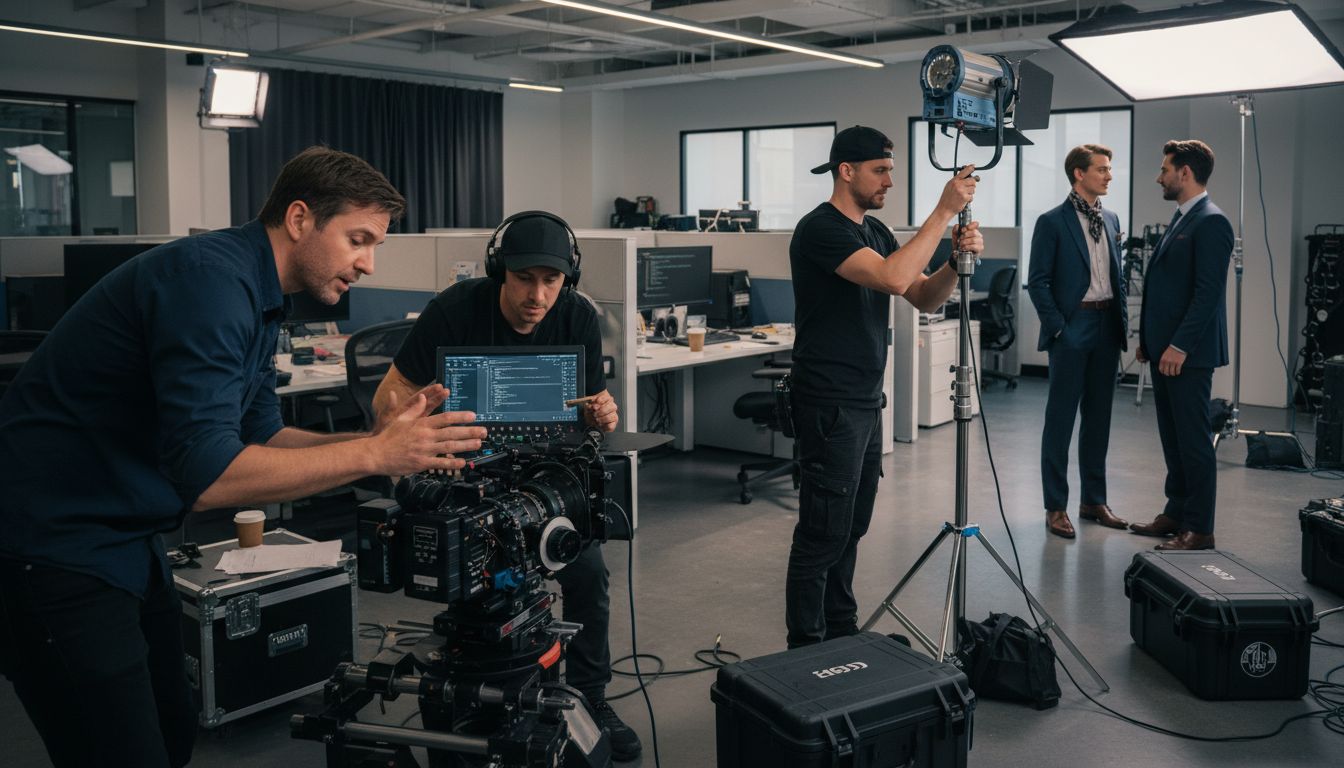
On-Set Dynamics demand exceptional communication and adaptability. While pre-production provides a comprehensive blueprint, real-world filming often requires quick problem-solving and creative adjustments. Professional production teams anticipate potential challenges, maintaining flexibility without compromising the original creative vision. This might involve improvising shots, managing unexpected technical limitations, or making rapid creative decisions that preserve the project’s integrity.
Technical execution during production involves sophisticated equipment management and strategic resource deployment. Camera settings, lighting configurations, sound recording techniques, and performance direction must align seamlessly to capture high-quality content that matches the initial creative concept. Attention to minute details can dramatically influence the final visual narrative.
Learn more about effective film production project management with our comprehensive guide, which offers deeper insights into navigating the complex dynamics of professional video production.
Post-Production: Editing and Final Output
American University describes post-production as the transformative stage where raw captured footage evolves into a compelling, cohesive narrative. This final phase represents the critical moment where creative vision is refined, polished, and prepared for audience consumption through sophisticated editing and technical enhancement techniques.
Key Post-Production Processes include:
Video editing and sequence assembly
Color grading and visual correction
Sound design and audio mixing
Visual effects and motion graphics integration
Final audio synchronization
Titles and graphic overlay creation
Compression and format conversion for distribution
According to eCampusOntario, post-production is far more than simple editing—it’s a comprehensive process of transforming raw material into a polished, professional final product. Professional editors meticulously craft each frame, ensuring that the visual and audio elements work harmoniously to communicate the intended message.
Technical Refinement represents the most nuanced aspect of post-production. Editors utilize advanced software to make precise adjustments, from subtle color corrections that enhance mood to complex visual effects that extend creative storytelling possibilities. This stage demands both technical expertise and creative intuition, as professionals balance technical precision with narrative flow.
The final output phase involves preparing the video for specific distribution channels, which requires understanding technical specifications, compression requirements, and platform-specific formatting standards. Each platform—whether streaming services, social media, broadcast television, or cinema—demands unique technical considerations that directly impact video quality and viewer experience.
Discover more about the intricate stages of video editing in our comprehensive guide, which offers deeper insights into the art and science of transforming raw footage into compelling visual stories.
Common Pitfalls and How to Avoid Them
University of Hull emphasizes that most video production challenges originate from inadequate planning and preparation. Professional filmmakers understand that preventing problems is far more efficient than attempting to resolve them mid-production, making a proactive approach critical to successful video creation.
Typical Video Production Pitfalls include:
Insufficient pre-production planning
Unrealistic budget expectations
Poor communication among team members
Inadequate equipment preparation
Lack of contingency planning
Underestimating time requirements
Neglecting technical skill gaps
Preventing these common issues requires a multifaceted strategy that addresses potential challenges before they emerge. Professionals must develop comprehensive workflows that anticipate potential complications, ensuring smooth transitions between production stages. This involves creating detailed contingency plans, maintaining open communication channels, and building flexibility into project timelines.
Technical Preparedness plays a crucial role in mitigating production risks. This means not just having the right equipment, but understanding its limitations and potential failure points. Successful teams conduct thorough equipment checks, maintain backup systems, and train personnel to handle unexpected technical challenges. Redundancy in critical systems—like backup cameras, additional sound recording devices, and spare batteries—can prevent catastrophic production interruptions.
Human factors represent another significant area of potential production challenges. Team dynamics, individual skill levels, and interpersonal communication can dramatically impact project success. Successful productions invest time in team building, skills assessment, and creating clear role definitions. Regular training, open feedback mechanisms, and establishing a culture of mutual respect help minimize misunderstandings and maximize collaborative efficiency.
Explore our comprehensive guide to avoiding video production challenges, which provides deeper insights into creating robust, resilient production strategies that minimize risks and maximize creative potential.
Seamless Video Production from Pre-Planning to Final Cut
Understanding the three main stages of video production highlights the challenges that can arise at every step from pre-production planning to post-production editing. You might worry about overlooked details in script development, equipment readiness, permit hassles, or coordinating skilled crews on location. These pain points can disrupt your creative flow and delay your project.
At VideoProductionSwitzerland.com, we specialize in turning complex production stages into a smooth, stress-free experience. With over 20 years of local expertise, we handle everything from securing permits and sourcing trusted crews to managing logistics like accommodation and transportation. Our tailored approach ensures your vision is realized without unexpected interruptions or costly delays.
Ready to bring your video project to life with confidence and ease The best time to start is now because meticulous planning and expert local support are essential to avoid common production pitfalls. Visit our main page to schedule your free consultation today and discover how our comprehensive services can keep your production on time and on budget. Let us be your trusted partner in every stage of your video production journey.
Frequently Asked Questions
What are the three main stages of video production?
The three main stages of video production are pre-production, production, and post-production. Each stage involves different processes and requires collaboration among various professionals to create a high-quality video.
What activities are involved in the pre-production stage?
The pre-production stage includes developing the script, creating storyboards, scouting locations, casting talent, planning equipment and resources, budgeting, and scheduling to ensure a smooth production process.
How does the production stage differ from post-production?
During the production stage, the actual filming takes place where raw footage is captured. In contrast, post-production involves editing the footage, adding sound and visual effects, and finalizing the video for distribution.
What are common challenges faced in video production?
Common challenges include insufficient pre-production planning, unrealistic budgets, poor communication among team members, inadequate equipment preparation, and underestimating time requirements, all of which can impact the overall success of the video project.
Recommended
