
6 Steps for a Successful International Video Production Checklist

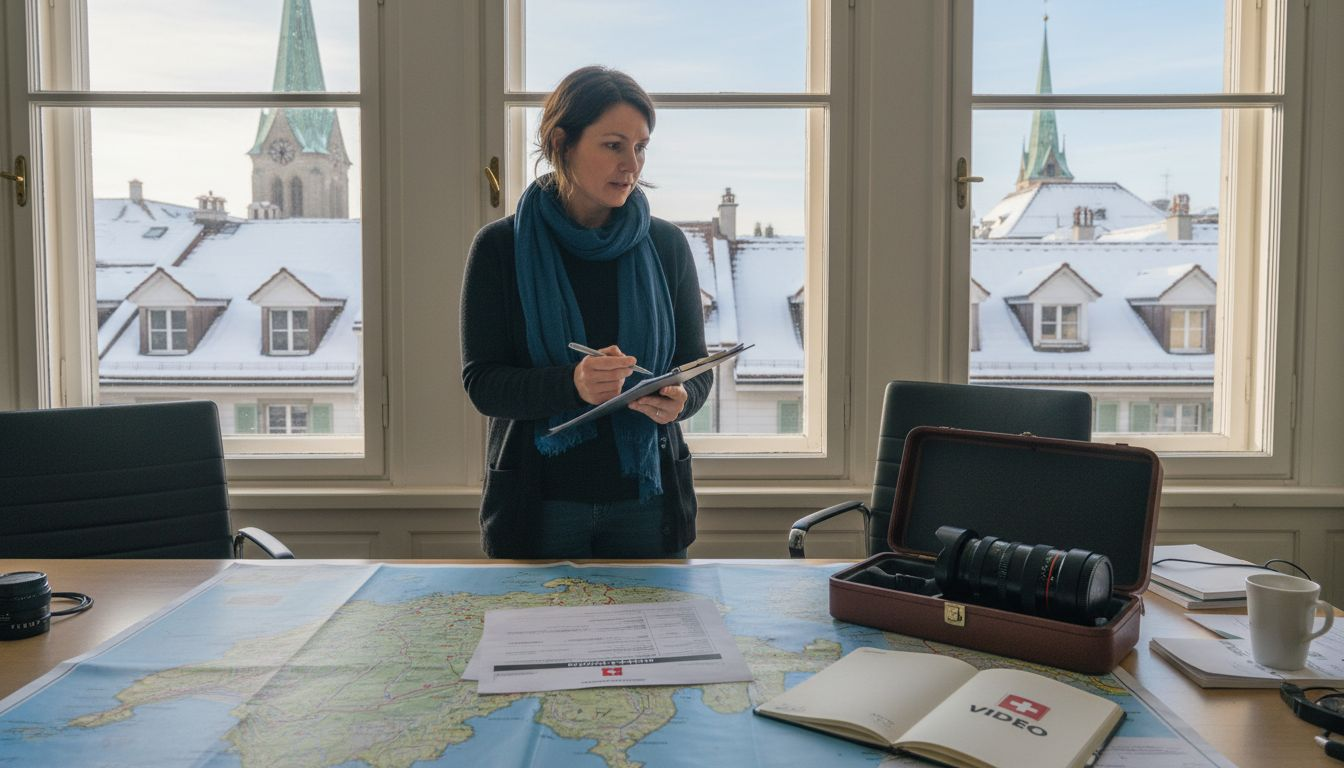
Planning an international video shoot in Switzerland sounds thrilling—until you hit your first unexpected hurdle. Between strict legal requirements, unfamiliar locations, and cultural differences, even experienced producers can feel overwhelmed. Without the right groundwork, minor details quickly grow into major problems that threaten your budget and final product.
The good news is that you can sidestep these headaches by following a clear process trusted by global professionals. This guide delivers practical steps to keep your project on track from initial planning through the last day of filming.
You are about to discover actionable insights on requirements management, permits, crew selection, and more. Each step is crafted to help you avoid common traps and make your Switzerland production both efficient and stress-free.
Table of Contents
Quick Summary
Takeaway | Explanation |
1. Clarify Requirements Initially | Define creative, logistical, and technical needs before production to avoid misunderstandings and costs. |
2. Secure Necessary Permits Early | Start the permit process 6 to 8 weeks in advance to prevent delays and potential legal issues. |
3. Hire Local Crew for Efficiency | Local professionals bring essential knowledge and connections that streamline production logistics and save costs. |
4. Execute Thorough Location Scouting | Assess each location for logistics, permits, and safety to avoid production disruptions during filming. |
5. Coordinate On-Site Logistics Diligently | Implement a clear communication strategy to manage equipment, crew, and schedules for a smooth shoot day. |
1. Assess Project Requirements and Goals
Before your crew touches down in Switzerland, you need crystal-clear requirements and goals. Skipping this step creates chaos later when your DP realizes the location scout never asked about power availability, or you discover the client expects 4K deliverables when you budgeted for HD.
This is where requirements management becomes your foundation. Think of it as the blueprint for your entire production, defining what success actually looks like before anyone books flights.
Why This Matters
International productions amplify every ambiguity. You’re working across time zones, coordinating multiple vendors, and managing budgets in different currencies. When requirements aren’t crystal clear, small misunderstandings snowball into schedule delays and unexpected costs.
Effective requirements management bridges the gap between your creative vision and practical execution, improving performance and ensuring you deliver exactly what your client expects.
Clear requirements also help you manage the inevitable changes that come during production without derailing the entire schedule.
What to Define in Your Requirements Assessment
Start by documenting these core elements:
Creative specifications: Deliverable formats, resolution, frame rate, color grading style, and creative direction
Logistical needs: Shooting locations, required permits, transportation, crew size, and equipment specifics
Timeline constraints: Shoot dates, turnaround times for dailies, and final delivery deadlines
Budget parameters: Total budget, contingency allocation, and any cost constraints by department
Client expectations: Approval processes, revision rounds, and stakeholder involvement during filming
Technical requirements: Special equipment, rigging needs, drone permits, or safety protocols
How to Implement This
Schedule an initial consultation with your client before moving forward. Ask detailed questions instead of making assumptions. Ask about their vision, not just the basics.
Document everything in writing. Send a comprehensive brief outlining what you understood, then ask for confirmation. This protects both you and your client.
Identify potential constraints early. If your shoot requires filming in a protected nature area, that permit takes weeks. If you need specialized equipment, sourcing time affects your budget and timeline.
Clear requirements defined upfront prevent 80% of production problems that derail international shoots.
Share this requirements document with every vendor, from location scouts to equipment rentals. Everyone must work from the same playbook.
Pro tip: Create a single master requirements document that every team member references, updating it only when client-approved changes occur—this eliminates conflicting information across your production.
2. Secure Permits and Legal Documents
Permits and legal documentation are not optional—they’re the backbone of any international video production. Without them, you face fines, seized equipment, production shutdowns, and damage to your reputation that no client will forgive.
Switzerland has specific regulations for filming in public spaces, protected areas, and even private locations. The Swiss film commission requires permits for most professional shoots, and the process moves slower than you might expect from a well-organized country.
Why Permits Matter More Than You Think
Permits do three critical things. They protect you legally, ensure local authorities know your shoot is legitimate, and often provide access to locations you couldn’t film otherwise.
Without proper documentation, local police can halt your production mid-shoot. Equipment gets confiscated. You lose shoot days—and the money invested in crew and accommodations. One filmmaker I know lost an entire day of shooting because a location permit wasn’t approved.
Permits also demonstrate professionalism to your clients and protect them from liability issues that could arise during filming.
What Documents You Actually Need
The specific permits depend on your shoot, but here’s what you typically require:
Filming permits for public spaces and protected areas
Location releases from property owners
Insurance documentation proving production liability coverage
Crew work permits if hiring non-Swiss nationals
Equipment import declarations for gear entering Switzerland
Special permits for drone footage, rigging, pyrotechnics, or stunts
Copyright clearances for music, logos, or identifiable artwork in your locations
How to Get This Right
Start the permit process 6 to 8 weeks before your shoot. Swiss authorities don’t rush, and delayed permits create scheduling nightmares.
Work with a local production partner who understands the Swiss permitting system. Getting filming permits requires navigating local regulations that vary by canton and municipality.
Document your shoot plan thoroughly. Include your locations, crew count, equipment list, shooting dates, and any special activities. Vague applications get rejected or delayed.
Submit permits simultaneously rather than sequentially. Request multiple permits at once so you’re not waiting weeks between approvals.
Permits approved 60 days before your shoot eliminate last-minute panic and give you time to adjust plans if denied.
Compile international legal frameworks governing media production to understand potential liability across jurisdictions your content will be distributed.
Pro tip: Create a permit checklist specific to each location before scouting, then attach it to your location contract so property owners know exactly what documentation you’ll secure before filming.
3. Select Trusted Local Crew and Equipment
Your crew and equipment determine whether your shoot runs like a Swiss watch or falls apart before lunch. Local crew knows the terrain, understands permit requirements, and has relationships with vendors that save you time and money.
International filmmakers often make the mistake of bringing everyone from home. That approach creates logistical nightmares, inflates budgets, and removes local expertise you desperately need in unfamiliar territory.
Why Local Crew Changes Everything
Local crew members understand Swiss production culture, labor laws, and unwritten rules about filming in different regions. A Swiss first assistant director knows which cantons are filmmaker-friendly and which require extra approvals.
Local crew also has established relationships with equipment rental houses, locations, and service vendors. These relationships mean better pricing, faster turnaround, and access to gear that international crews struggle to source.
Beyond logistics, local crew brings credibility. When you’re dealing with Swiss authorities or property owners, having Swiss crew members in leadership positions signals professionalism and respect for local practices.
Key Crew Roles You Cannot Compromise On
Certain positions demand experience and local knowledge. Understand the responsibilities of key crew roles to identify which positions need Swiss expertise versus where you can bring international staff.
Hire a local line producer immediately. This person handles permits, vendor coordination, transportation, and logistics. They’re worth every franc you invest.
Secure a Swiss assistant director who understands local union agreements and can manage communication between your international creative vision and local crew expectations.
Here are roles where local expertise matters most:
Line producer and production manager
Assistant director and assistant production coordinator
Location scouts familiar with Swiss regions
Equipment rental specialists
Transportation and logistics coordinators
Finding Reliable Local Talent
Start by asking for referrals from the Swiss film commission or other international producers who’ve shot there. Personal recommendations reveal who delivers under pressure.
Interview crew members about their previous international productions. Ask specific questions about how they handled permit challenges, equipment sourcing, and unexpected location issues.
Request portfolio work or references from other international productions. Crew with international experience understands your expectations and communicates across cultures better.
Local crew with international production experience delivers the best outcomes because they combine local knowledge with your production standards.
Vet equipment rental companies thoroughly. Check their gear maintenance logs, ask about backup equipment if something fails, and confirm insurance coverage.
Pro tip: Request a production insurance certificate from every equipment vendor and crew member, then attach all certificates to a master file before your first shoot day—this prevents liability gaps during filming.
4. Scout and Book Filming Locations
Your locations define your visual story, but they also determine logistics, permits, costs, and timeline feasibility. A stunning location that requires three permit approvals and has no parking becomes a production disaster, not a creative triumph.
Location scouting in Switzerland requires understanding regional differences. The Alpine regions have different access rules than urban centers. Mountain villages have different noise restrictions than Zurich. Getting this wrong costs you shooting days and budget.
Why Professional Location Scouting Matters
Location scouts do far more than find pretty backdrops. They assess practical feasibility including power access, water sources, parking for trucks, and crew facilities. They check lighting potential at different times of day and seasons. They verify safety compliance and understand which locations require permits.
A professional location scout also negotiates with property owners, manages location agreements, and coordinates with local authorities. This work prevents conflicts that derail shoots.
Without proper scouting, you discover mid-shoot that your location has no electricity, neighbors complained about noise, or the permit office rejected your filming request.
The Location Scouting Process
Understand how location scouting works to plan your scout properly and identify all logistical considerations before committing to locations.
Location scouting follows a deliberate sequence:
Define location requirements based on your script and creative vision
Research potential sites using maps, databases, and local recommendations
Visit each location in person at the time of day you’ll be filming
Document everything with photos, video, measurements, and notes
Assess logistics including access, parking, power, permits, and noise
Evaluate backup options for each primary location
Negotiate access agreements with property owners
Secure location permits from local authorities
What to Assess During Location Visits
When you’re on-site, focus on these specific details:
Natural light quality at your planned shooting time, including shadows and reflections
Background noise from traffic, industrial activity, or neighboring properties
Space dimensions to confirm your crew, equipment, and cameras fit
Power availability and capacity for your lighting and equipment needs
Parking access for production vehicles and crew transportation
Nearby facilities including bathrooms, water, and food options
Weather exposure and protection from wind or precipitation
Safety hazards including uneven surfaces, traffic, or restricted areas
Scout locations at the exact time of day and season you’ll be filming, because light and activity patterns change dramatically.
Document everything during your scout. Take photos from multiple angles, shoot video of the space, and write detailed notes about logistics. This documentation becomes your location agreement and helps crew members understand the space.
Book your locations early. Popular Swiss locations get booked months in advance, especially during peak seasons.
Pro tip: Create a detailed location requirements spreadsheet before scouting, then rate each location against those criteria so you have objective data to discuss with your director and producer.
5. Arrange Accommodation and Transportation
Tired crew makes mistakes. Long commutes drain your schedule. Poor transportation logistics create chaos on shoot days. Accommodation and transportation aren’t glamorous, but they directly impact your production quality and crew morale.
International crews arriving in Switzerland need housing close to your shoot locations. Transportation must be reliable and coordinated across multiple languages and time zones. Getting this wrong creates stress that kills creativity.
Why Accommodation Affects Your Production
Crew members who sleep well perform better. They arrive on-set focused instead of exhausted from long commutes. Quality accommodation also signals respect to your team, improving morale and reducing turnover during multi-day shoots.
Swiss accommodation isn’t cheap, and booking late costs significantly more. Planning accommodation early also ensures you secure properties that work for your crew size and budget.
Consider crew diversity when booking accommodations. Ensure accessibility and inclusive accommodations meet the needs of all team members, supporting their comfort and performance during filming.
Transportation Planning Essentials
Transportation involves multiple components. You need crew vans from accommodations to set each day. You need equipment transportation from rental houses to locations. You need fuel, drivers, and contingency vehicles if primary transport fails.
Building reliable transportation costs money, but the alternative is crew arriving late, equipment sitting on set without transport, and schedule delays that multiply costs exponentially.
Establish these transportation logistics:
Daily shuttle service from crew hotels to shoot locations
Equipment transport from rental houses to set and back
Talent transportation for any actors or talent involved
Emergency backup vehicles in case primary transport fails
Local driver knowledge of Swiss roads and traffic patterns
Fuel and maintenance budgeting for all vehicles
Schedule coordination between accommodation check-in and early morning departures
Practical Implementation Steps
Start booking accommodations three months before your shoot. Choose properties within 30 minutes of your primary shooting locations to minimize commute time.
Verify transportation availability with your local production partner. Confirm vehicle counts, driver experience, and backup plans for mechanical issues.
Communicate accommodation details to your crew early. Provide addresses, check-in procedures, WiFi information, and transportation schedules so people can plan their arrival.
Crew arriving at accommodations without confusion or logistical delays reduces stress and lets everyone focus on the shoot.
Build contingency into your transportation budget. Swiss roads in winter require additional time, and Alpine areas sometimes close due to weather.
Pro tip: Arrange accommodation with kitchens or meal plans included, then budget crew meals as a group expense—this saves money, keeps people together during downtime, and reduces individual decision fatigue.
6. Coordinate On-Site Logistics for Smooth Execution
On shoot day, everything happens simultaneously. Equipment arrives, crew checks in, talent needs accommodations, locations need setup, and your schedule starts in two hours. Without solid on-site logistics coordination, chaos replaces professionalism and you lose money and shooting time.
On-site logistics coordination is the difference between a shoot that runs on schedule and one that hemorrhages budget. A single miscommunication about equipment delivery can delay your entire day.
Why On-Site Coordination Is Your Production’s Lifeline
Production days move fast. Decisions happen in minutes. If your production coordinator doesn’t know where equipment is, when crew arrives, or why catering is late, momentum dies and stress multiplies.
Solid coordination ensures everyone knows their responsibilities, deadlines, and contingency plans. It prevents the panic that comes when critical information gets lost between departments.
Coordination also protects your budget. When logistics run smoothly, you shoot efficiently. When logistics fail, you pay crew members for standing around while problems get sorted.
Key On-Site Logistics Responsibilities
Your production coordinator manages multiple interconnected systems. Understanding how to manage production logistics helps you establish systems that keep everything moving forward.
Here’s what requires active coordination on set:
Equipment arrival and setup before crew arrives
Daily crew transportation from accommodations to locations
Catering and meal timing for crew breaks
Location access and security throughout the shoot
Permits and documentation if authorities visit
Power, water, and facilities setup and maintenance
Schedule adjustments when scenes finish early or run over
Communication channels between all departments
Emergency protocols for weather, injuries, or equipment failure
Daily Coordination Workflow
Start each shoot day with a brief production meeting 30 minutes before filming begins. Address the day’s schedule, any changes from previous planning, and contingency plans.
Assign a dedicated production coordinator on set who remains accessible throughout the day. This person handles real-time adjustments and problem-solving without interrupting your director.
Maintain clear communication channels. Use radios or group messaging so everyone receives important updates simultaneously instead of through a broken telephone game.
Document decisions and changes in real time. When the schedule shifts because a location loses access, record it so your end-of-day report reflects reality.
Smooth on-set coordination means your director focuses entirely on creative decisions while logistics happen invisibly in the background.
Manage crew fatigue proactively. Effective production scheduling prevents exhaustion that degrades performance and increases safety risks.
Build contingency time into your daily schedule. If a scene finishes early, you have backup shots ready instead of scrambling to fill time.
Pro tip: Create a master logistics checklist that includes equipment arrival times, crew transportation schedules, meal times, location access procedures, and weather contingencies, then distribute it to every department member the morning of the shoot.
Below is a comprehensive table summarizing the key considerations and strategies for effectively managing international video productions as outlined in the article.
Strategy | Key Actions | Benefits |
Define Project Requirements | Document creative specifications, logistical needs, timelines, budget constraints, client expectations, and technical requirements. Validate through client consultation. | Establishes clear expectations and minimizes miscommunications. |
Obtain Permits and Legal Documentation | Start permitting processes early, ensure compliance with regional regulations, and maintain clear documentation. Partner with local experts. | Avoids legal roadblocks, shoot interruptions, and liability issues. |
Hire Local Crew and Equipment | Engage regional talent familiar with local regulations, culture, and logistics. Verify crew experience and reliability. | Reduces costs, adds local expertise, and enhances logistical efficiency. |
Scout and Secure Locations | Evaluate locations for visual and logistical feasibility. Address access, permits, safety, and suitability for project requirements. | Ensures ideal settings for the project while mitigating potential challenges. |
Arrange Crew Accommodation and Transportation | Book accommodations near shoot sites early. Coordinate transportation logistics for crew and equipment. | Enhances crew efficiency, morale, and punctuality. |
Manage On-Site Logistics | Designate a production coordinator to oversee daily operations, including equipment, schedules, and communication. | Maintains schedule adherence and improves operational fluidity. |
This table encapsulates the structured approach to executing successful video productions in Switzerland as detailed in the article.
Simplify Your International Video Production in Switzerland with Expert Local Support
Executing a seamless international video production requires mastering every detail from permit approvals to local crew coordination. This article highlights critical challenges like navigating Switzerland’s complex permitting process, securing trusted local talent, and managing on-site logistics efficiently. These pain points can quickly derail your schedule and inflate costs when not handled with expert precision.
At Video Production Switzerland, we specialize in relieving this exact pressure. With over 20 years of experience, our comprehensive services cover every step of your production checklist including permit acquisition, sourcing experienced Swiss crew, scouting ideal locations, and orchestrating transportation and accommodations. We act as your reliable local partner to ensure your shoot runs smoothly, stays on time, and meets your creative goals without surprises.
[
Ready to turn your international production vision into reality without the stress of last-minute challenges? Visit our landing page to start with a free consultation today. Discover how our tailored solutions can take the guesswork out of your shoot logistics and make your film project a success in Switzerland.
Frequently Asked Questions
What are the key elements to define in my requirements assessment for international video production?
Clear elements to define include creative specifications, logistical needs, timeline constraints, budget parameters, client expectations, and technical requirements. Document these thoroughly to guide your production and share them with all team members to prevent misunderstandings.
How far in advance should I start the permit process for filming internationally?
Start the permit process at least 6 to 8 weeks before your shoot. This lead time allows you to navigate local regulations and avoid scheduling delays caused by permitting issues.
What roles should I prioritize hiring from local talent during an international shoot?
Focus on hiring local crew members for key roles such as line producer, assistant director, and location scouts. Their local knowledge and expertise can significantly impact the efficiency and legality of your production.
What should I consider when scouting filming locations?
Evaluate practical factors like accessibility, power availability, noise levels, and safety compliance when scouting locations. Document your findings with photos and notes to ensure that your crew knows what to expect during the shoot.
How can I ensure my crew has suitable accommodation and transportation during international filming?
Book accommodations within 30 minutes of your filming locations and coordinate reliable transportation for daily commutes. Plan these details early to enhance your crew’s morale and keep the production running smoothly.
What are the essential tasks for coordinating on-site logistics during filming?
Coordinate equipment setup, crew transportation, meal timing, and location access on shoot days. Establish a clear communication method among all departments to quickly address any changes or emergencies that may arise.
Recommended
