
Roles of a Film Crew: Ensuring Seamless Shoots

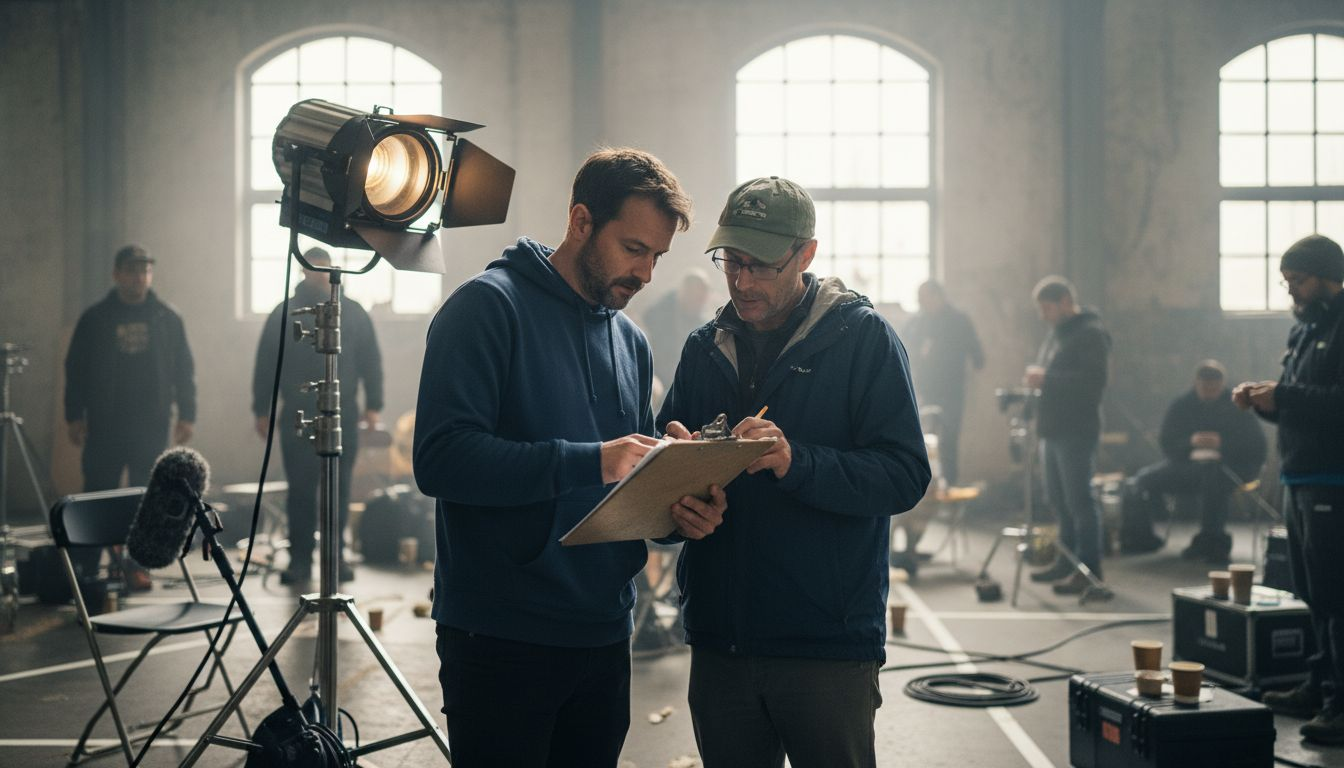
Managing a film shoot in Switzerland often means juggling creative direction with tight schedules, high expectations, and local logistics that can quickly become complex. For international filmmakers, understanding the film crew structure and core concepts is the key to running a smooth, efficient production. This guide helps you navigate the hierarchy, department responsibilities, and critical collaboration strategies that ensure every scene is captured brilliantly and on time.
Table of Contents
Key Takeaways
Point | Details |
Structured Hierarchy | Clear roles and hierarchical organization are essential for effective film production, ensuring streamlined communication. |
Department Collaboration | Each specialized department must work together seamlessly to bring a creative vision to life, enhancing overall project success. |
Proactive Challenges Management | Anticipating potential production challenges and developing contingency plans are vital for maintaining workflow and minimizing disruptions. |
Risk Management Protocols | Implementing comprehensive safety and legal compliance strategies is crucial for safeguarding personnel and production investments. |
Film Crew Structure and Core Concepts
Successful film production relies on a complex yet organized hierarchy where each crew member plays a critical role. Contemporary film production organization represents a sophisticated system of collaboration and specialized expertise.
The film crew typically operates within a structured hierarchy designed to streamline communication and ensure efficient workflow. This organizational structure includes several key departments and roles:
Above-the-Line Roles
Director
Producer
Screenwriter
Lead Actors
Below-the-Line Roles
Camera Department
Lighting Team
Sound Crew
Production Assistants
Art and Design Team
Each department functions as a specialized unit with specific responsibilities, yet must work seamlessly with others to achieve the project’s creative vision. Collaborative film production structures emphasize the importance of interdepartmental communication and coordination.
The hierarchical nature of film production ensures that every team member understands their precise role and reporting structure. Typically, the production flows from producers and directors through department heads to individual crew members, creating a clear chain of command that minimizes confusion and maximizes efficiency.
Pro Tip: Always establish clear communication protocols and department responsibilities during pre-production to prevent potential workflow disruptions.
This blog article is written by Pieter Nijssen, founder of Video Production Switzerland and an experienced video producer working across Switzerland. He delivers professional corporate and commercial video production for both international and local clients. Pieter is known for a reliable, stress-free production process and high production standards.
Departments and Key Crew Categories
Film production involves a complex network of specialized departments, each playing a crucial role in bringing a creative vision to life. Film crew roles and departments represent a sophisticated ecosystem of creative and technical professionals working together.
The film production landscape can be broadly divided into several key departments, each with distinct responsibilities:
Production Department
Producer
Production Manager
Line Producer
Production Coordinator
Creative Department
Director
Screenwriter
Art Director
Costume Designer
Technical Departments
Camera Crew
Lighting Team
Sound Department
Grip and Electric Team
Above-the-line and below-the-line crew categorizations help distinguish between key creative personnel and technical support staff. Above-the-line crew typically includes high-level decision makers like producers, directors, and principal actors, who are usually contracted before the budget is set. Below-the-line crew encompasses the technical teams responsible for executing the creative vision.
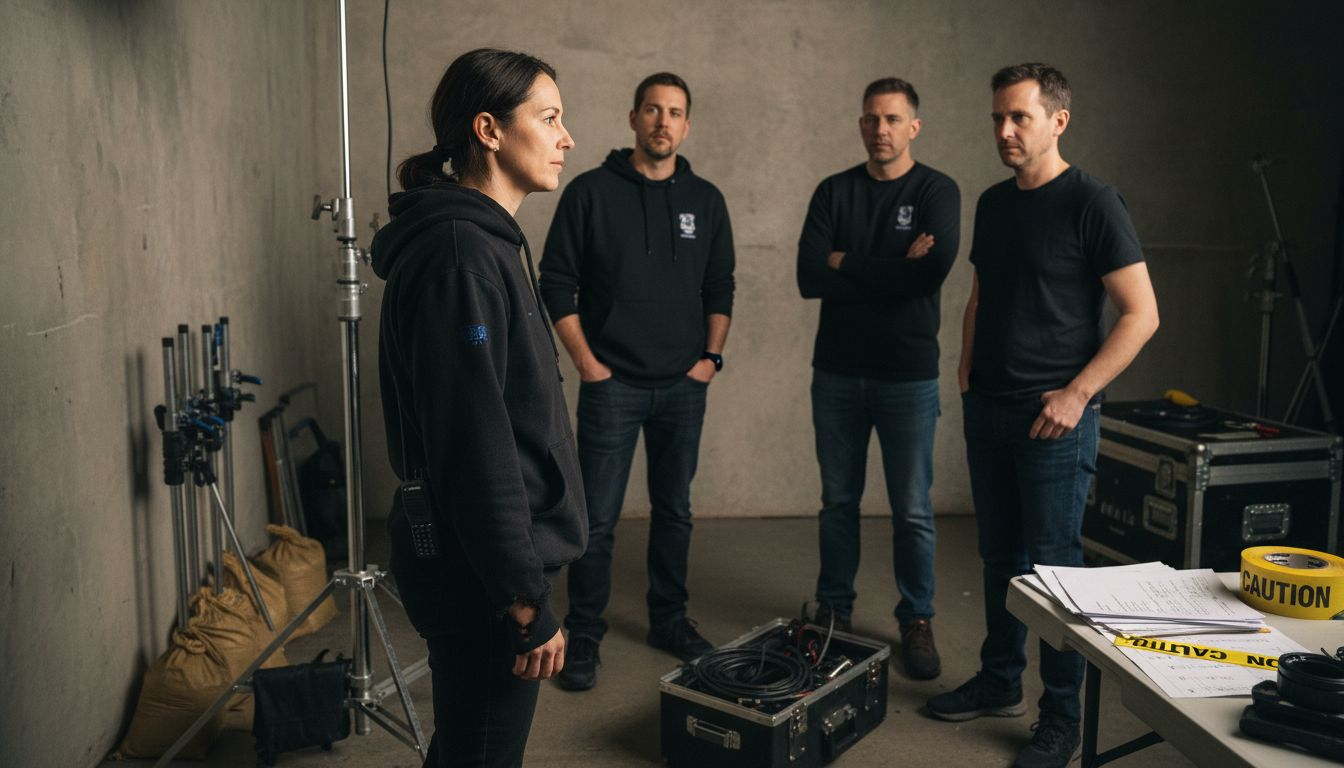
Each department operates with specific goals but must collaborate seamlessly to ensure the film’s successful completion. The production department manages overall logistics, the creative department drives artistic vision, and technical departments translate that vision into visual and auditory reality.
Pro Tip: Develop comprehensive department communication protocols during pre-production to minimize potential interdepartmental conflicts and streamline workflow.
This blog article is written by Pieter Nijssen, founder of Video Production Switzerland and an experienced video producer working across Switzerland. He delivers professional corporate and commercial video production for both international and local clients. Pieter is known for a reliable, stress-free production process and high production standards.
Here’s a concise summary comparing the main film production departments and their primary impact:
Department | Core Focus | Key Business Impact |
Production | Logistics & management | Budget control and scheduling |
Creative | Artistic direction | Brand image and storytelling |
Technical | Execution of vision | Technical quality and safety |
This table helps visualize how each department directly supports the film’s success and production value.
Responsibilities in Production Phases
Film production unfolds through distinct phases, each requiring unique expertise and strategic coordination. Crew responsibilities across production stages represent a carefully choreographed process of creative and logistical management.
The production lifecycle typically encompasses three primary phases, each with specific responsibilities:
Pre-Production Phase
Script development
Budget planning
Location scouting
Casting
Crew hiring
Equipment procurement
Production Phase
Principal photography
Daily scene shooting
Performance direction
Technical execution
Real-time problem solving
Post-Production Phase
Film editing
Sound design
Visual effects
Color grading
Final cut preparation
Film production stages involve complex collaborative processes where different team members assume critical responsibilities. During pre-production, producers and directors meticulously plan every detail. The production phase demands precise execution, with directors and cinematographers translating creative vision into actual footage.
Post-production represents the final transformation, where editors, sound designers, and visual effects teams sculpt raw material into a cohesive narrative. Each phase requires specialized skills and seamless interdepartmental communication to maintain the project’s creative integrity and technical quality.
Pro Tip: Create comprehensive phase-transition documentation to ensure smooth handoffs between production stages and minimize potential communication gaps.
This blog article is written by Pieter Nijssen, founder of Video Production Switzerland and an experienced video producer working across Switzerland. He delivers professional corporate and commercial video production for both international and local clients. Pieter is known for a reliable, stress-free production process and high production standards.
Required Expertise and Qualifications
Successful film production demands a sophisticated blend of creative talent and technical expertise across various crew positions. Professional skills in film production require a complex combination of formal training, practical experience, and interpersonal capabilities.
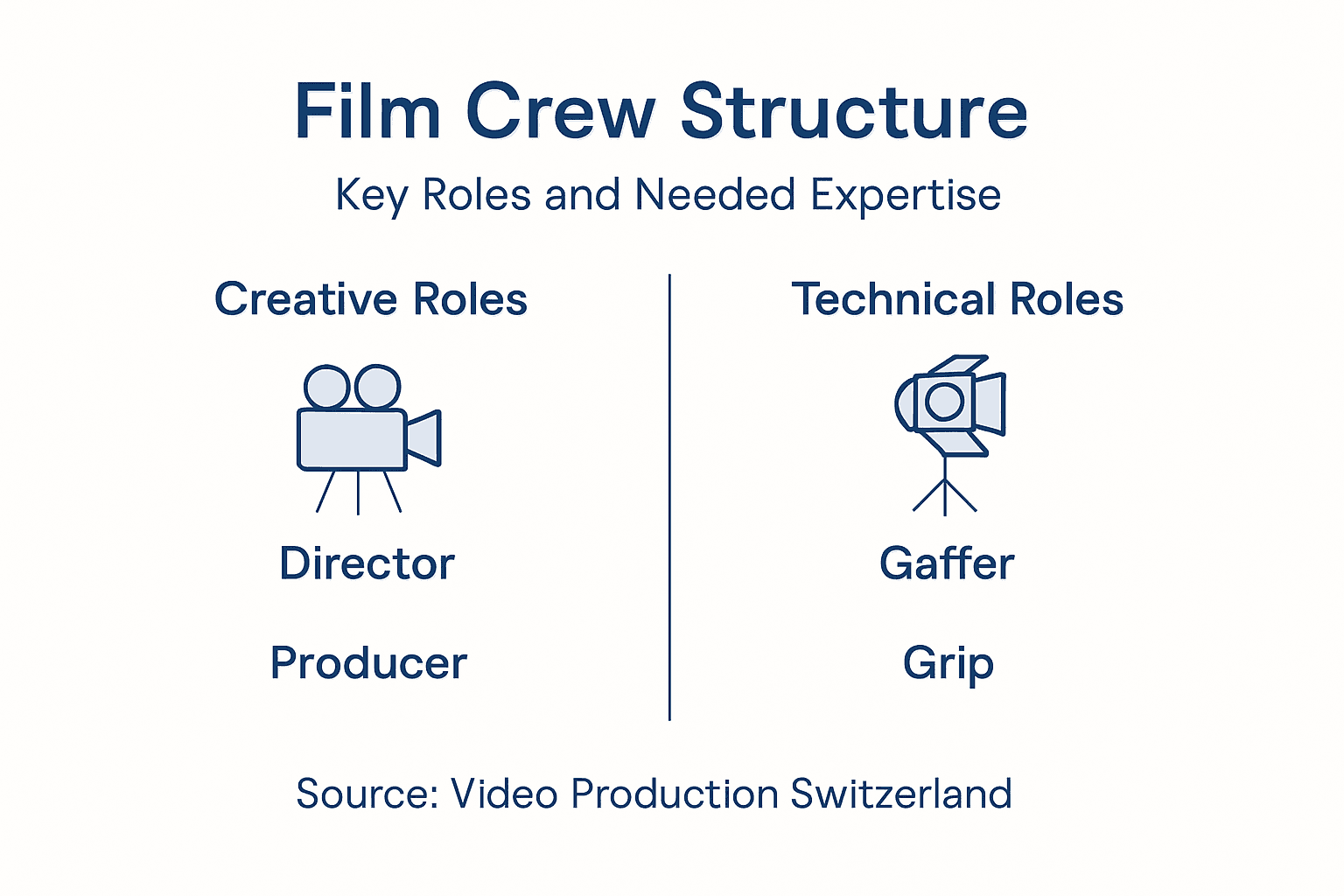
Key expertise requirements for critical film crew roles include:
Creative Leadership Roles
Directors
Advanced storytelling skills
Strong leadership experience
Visual narrative understanding
Creative problem-solving abilities
Technical Specialization Roles
Cinematographers
Advanced camera technology knowledge
Lighting design expertise
Visual composition skills
Technical equipment proficiency
Production Management Roles
Producers
Financial management skills
Budget planning expertise
Strategic organizational capabilities
Risk assessment experience
Work-ready skills for screen industries emphasize that technical competence alone is insufficient. Professionals must also demonstrate exceptional communication, adaptability, and collaborative capabilities. Soft skills like emotional intelligence, quick decision-making, and stress management are increasingly critical in high-pressure production environments.
Educational pathways for film crew members vary widely, ranging from specialized film school programs to technical certifications and on-the-job training. While formal education provides foundational knowledge, hands-on experience and professional networking often prove equally important in building a successful career in film production.
Pro Tip: Continuously update your technical skills and maintain a diverse professional network to remain competitive in the rapidly evolving film production landscape.
This blog article is written by Pieter Nijssen, founder of Video Production Switzerland and an experienced video producer working across Switzerland. He delivers professional corporate and commercial video production for both international and local clients. Pieter is known for a reliable, stress-free production process and high production standards.
Common Challenges and How to Avoid Them
Film production presents numerous potential obstacles that can derail even the most meticulously planned projects. Navigating film shoot problems requires proactive strategies and comprehensive contingency planning.
Critical challenges that frequently emerge during film production include:
Technical Challenges
Equipment malfunctions
Unexpected technical failures
Software compatibility issues
Signal and recording problems
Logistical Challenges
Weather disruptions
Location access complications
Scheduling conflicts
Transportation and equipment movement
Personnel Challenges
Team communication breakdowns
Creative differences
Fatigue and stress management
Performance inconsistencies
Emerging filmmaker challenges emphasize the importance of strategic preparation. Successful productions anticipate potential issues by developing robust backup plans, maintaining open communication channels, and building flexibility into every stage of production.
Preventative measures are crucial in mitigating risks. This includes conducting thorough equipment checks before shooting, maintaining comprehensive insurance coverage, establishing clear communication protocols, and creating detailed contingency plans that outline specific responses to potential disruptions.
Effective problem-solving in film production is less about avoiding challenges and more about developing adaptable, resilient strategies that can quickly address unexpected situations.
Pro Tip: Develop a comprehensive crisis management document that outlines specific protocols for potential production disruptions, ensuring your team can respond quickly and professionally.
This blog article is written by Pieter Nijssen, founder of Video Production Switzerland and an experienced video producer working across Switzerland. He delivers professional corporate and commercial video production for both international and local clients. Pieter is known for a reliable, stress-free production process and high production standards.
The following table highlights common production challenges and effective prevention measures:
Challenge Type | Typical Issue | Suggested Prevention |
Technical | Equipment breakdown | Scheduled maintenance checks |
Logistical | Venue unavailability | Backup location planning |
Personnel | Team miscommunication | Regular briefing and clear protocols |
Use these strategies to minimize disruptions and keep your film project running smoothly.
Risks, Safety, and Legal Compliance
Film production environments present complex safety and legal challenges that require comprehensive strategic planning. Occupational health and safety guidelines are critical for protecting both personnel and production investments.
Key risk management considerations include:
Workplace Safety Protocols
Personal protective equipment (PPE)
Site-specific risk assessments
Emergency response planning
Regular safety training sessions
Legal Compliance Areas
Location permit acquisitions
Insurance coverage requirements
Talent and crew contract management
Copyright and intellectual property protections
Risk Mitigation Strategies
Comprehensive insurance policies
Detailed liability waivers
Regular safety equipment inspections
Documented incident reporting systems
Global legal safety perspectives emphasize the importance of proactive legal consultation and comprehensive risk management strategies. Professional productions must anticipate potential challenges by engaging legal experts early in the planning process, ensuring thorough protection against potential litigation and distribution complications.
Successful risk management requires a multilayered approach that integrates safety protocols, legal safeguards, and continuous team education. This involves creating robust documentation, maintaining transparent communication channels, and developing adaptive response mechanisms that can quickly address emerging challenges.
Legal preparedness is not about eliminating all risks, but about creating strategic frameworks that effectively manage and mitigate potential complications.
Pro Tip: Develop a comprehensive risk management document that outlines specific safety protocols, legal considerations, and emergency response procedures for every production stage.
This blog article is written by Pieter Nijssen, founder of Video Production Switzerland and an experienced video producer working across Switzerland. He delivers professional corporate and commercial video production for both international and local clients. Pieter is known for a reliable, stress-free production process and high production standards.
Ensure Every Role in Your Film Crew Works in Perfect Harmony
Managing the complex roles and responsibilities within a film crew, as discussed in “Roles of a Film Crew: Ensuring Seamless Shoots”, highlights the critical need for clear communication, expert coordination, and reliable logistical support. Challenges such as scheduling conflicts, equipment issues, and location permits can cause costly delays and stress during production. With concepts like departmental collaboration and streamlined workflows emphasized in the article, it becomes clear that professional film productions demand a trusted local partner who understands each element’s importance in the production chain.

Experience peace of mind by partnering with Video Production Switzerland, where over 20 years of expertise ensures expert crew sourcing, permit management, and flawless coordination. Whether you are an international filmmaker or a global brand, our comprehensive services cover everything from location scouting to equipment rental and transportation. Prevent disruptions and keep your shoot on time by starting with a free consultation today. Visit Video Production Switzerland to discover how our reliable local production support can make your project smooth and stress-free.
Frequently Asked Questions
What roles are included in the film crew structure?
The film crew structure includes above-the-line roles like the director, producer, screenwriter, and lead actors, as well as below-the-line roles such as the camera department, lighting team, sound crew, production assistants, and the art and design team.
How does the hierarchy in a film crew improve production efficiency?
The hierarchical structure of the film crew streamlines communication and ensures efficient workflow by clearly defining roles, responsibilities, and reporting lines, allowing for a well-coordinated production process.
What are the main phases of film production, and what do they involve?
Film production consists of three main phases: pre-production (script development, budget planning, casting), production (principal photography, real-time problem solving), and post-production (editing, sound design, visual effects). Each phase requires unique expertise and collaboration among departments.
What challenges might a film crew encounter during production, and how can they be mitigated?
Challenges can include technical issues, logistical disruptions, and personnel communication breakdowns. Effective prevention measures involve thorough planning, regular maintenance checks, clear communication protocols, and developing robust contingency plans.
Recommended
