
Scheduling Production Planning and Control for Film Shoots


Most American video producers know that a single scheduling error can cost thousands in lost time and resources. In the fast-paced world of professional video production, every minute matters and the stakes are high. Mastering scheduling production planning means not just hitting deadlines but also unlocking higher creative quality and smoother teamwork. This article breaks down actionable strategies and proven tools for turning complex production logistics into reliable, efficient workflows.
Table of Contents
Key Takeaways
Point | Details |
Comprehensive Production Planning | Effective video production requires detailed planning across multiple stages to ensure a smooth shooting process. Understanding script breakdown, resource allocation, and scheduling is essential for coordination. |
Flexible Scheduling Techniques | Utilizing various scheduling methods, such as linear, block, and reverse scheduling, can optimize workflows and accommodate project-specific needs. Combining these methods can enhance efficiency. |
Proactive Risk Management | Identifying potential risks and developing mitigation strategies is crucial for maintaining production momentum. Establishing a risk register and compliance management framework aids in navigating obstacles. |
Effective Communication and Coordination | Streamlined communication and logistic management are vital for aligning team efforts and minimizing disruptions during production. A clear matrix and digital asset management system can facilitate this process. |
Scheduling Production Planning in Video Production
Production planning represents the critical backbone of successful video shoots, transforming creative concepts into executable strategies. Professional video productions require meticulous scheduling that coordinates multiple complex elements simultaneously. Understanding the key components of pre-production planning enables filmmakers to anticipate challenges and create smooth, efficient workflows.
Effective production scheduling involves several interconnected stages that demand precision and strategic thinking. These stages typically include script breakdown, resource allocation, location scouting, equipment preparation, talent coordination, and timeline development. Detailed planning helps mitigate potential disruptions and ensures that every team member understands their specific responsibilities. By creating comprehensive shooting schedules and call sheets, production managers can maintain clear communication and keep projects moving forward with minimal friction.
The scheduling process begins with a thorough script analysis, where each scene is carefully evaluated for logistical requirements. Filmmakers must consider factors like location availability, actor schedules, equipment needs, and budget constraints. Developing a robust production planning framework allows teams to create realistic timelines that balance creative vision with practical limitations. Advanced scheduling techniques often involve using specialized software that helps track resources, manage calendar conflicts, and provide real-time updates to all production team members.
Pro Production Tip: Always build buffer time into your shooting schedule. Unexpected challenges are inevitable in video production, so including 10-15% extra time can prevent cascading delays and reduce team stress when minor complications arise.
Types of Scheduling Methods for Film Shoots
Film production scheduling represents a complex puzzle of logistics, creativity, and strategic planning. Multiple scheduling approaches exist to help production teams optimize their workflows and manage resources efficiently. Production boards, also known as stripboards, provide a visual and color-coded method for tracking scene arrangements, allowing directors and production managers to quickly understand shooting sequences and logistical requirements.
The primary scheduling methods include linear scheduling, which follows a traditional chronological script order, and block scheduling, where scenes are grouped by location or production efficiency. Talent scheduling emerges as a particularly intricate aspect of film production planning. Talent scheduling involves sophisticated optimization strategies that balance actor availability, budget constraints, and production logistics to create the most cost-effective shooting schedule possible.
Additional scheduling techniques encompass reverse scheduling, where productions work backward from the final delivery date, and modular scheduling, which breaks down complex shoots into manageable segments. Digital tools and software have revolutionized these methods, enabling real-time collaboration, precise resource tracking, and dynamic schedule adjustments. Modern production teams often combine multiple scheduling approaches, creating hybrid models that adapt to each project’s unique requirements and challenges.
Here’s a comparison of common scheduling methods used in film production:
Scheduling Method | Best Use Case | Strength | Limitation |
Linear Scheduling | Simple, narrative-driven projects | Easy implementation | Less efficient for locations |
Block Scheduling | Location-based grouping | Reduces relocation time | Can disrupt actor continuity |
Reverse Scheduling | Firm delivery deadlines | Focuses on key deadlines | May add late-phase pressure |
Modular Scheduling | Complex, multitiered productions | Flexible shoot segments | Demands advanced planning |
Pro Production Scheduling Tip: Always create a master schedule with built-in flexibility. Develop contingency plans for each major shooting block, identifying potential alternate shooting sequences that can be quickly implemented if unexpected challenges arise.
Key Steps in Production Planning and Control
Production planning and control represent the strategic framework that transforms creative vision into executable film projects. Comprehensive script writing and storyboarding form the foundational first steps, establishing a clear roadmap for the entire production process. These initial stages involve detailed scene breakdowns, character arc mapping, and visual conceptualization that guide subsequent logistical decisions.
The core steps in production planning typically include script analysis, location scouting, budget allocation, equipment procurement, and talent coordination. Resource management becomes critical during this phase, requiring production teams to balance creative requirements with practical constraints. Creating structured shooting schedules helps maintain project momentum, ensuring that each production day maximizes efficiency and minimizes unnecessary expenses.
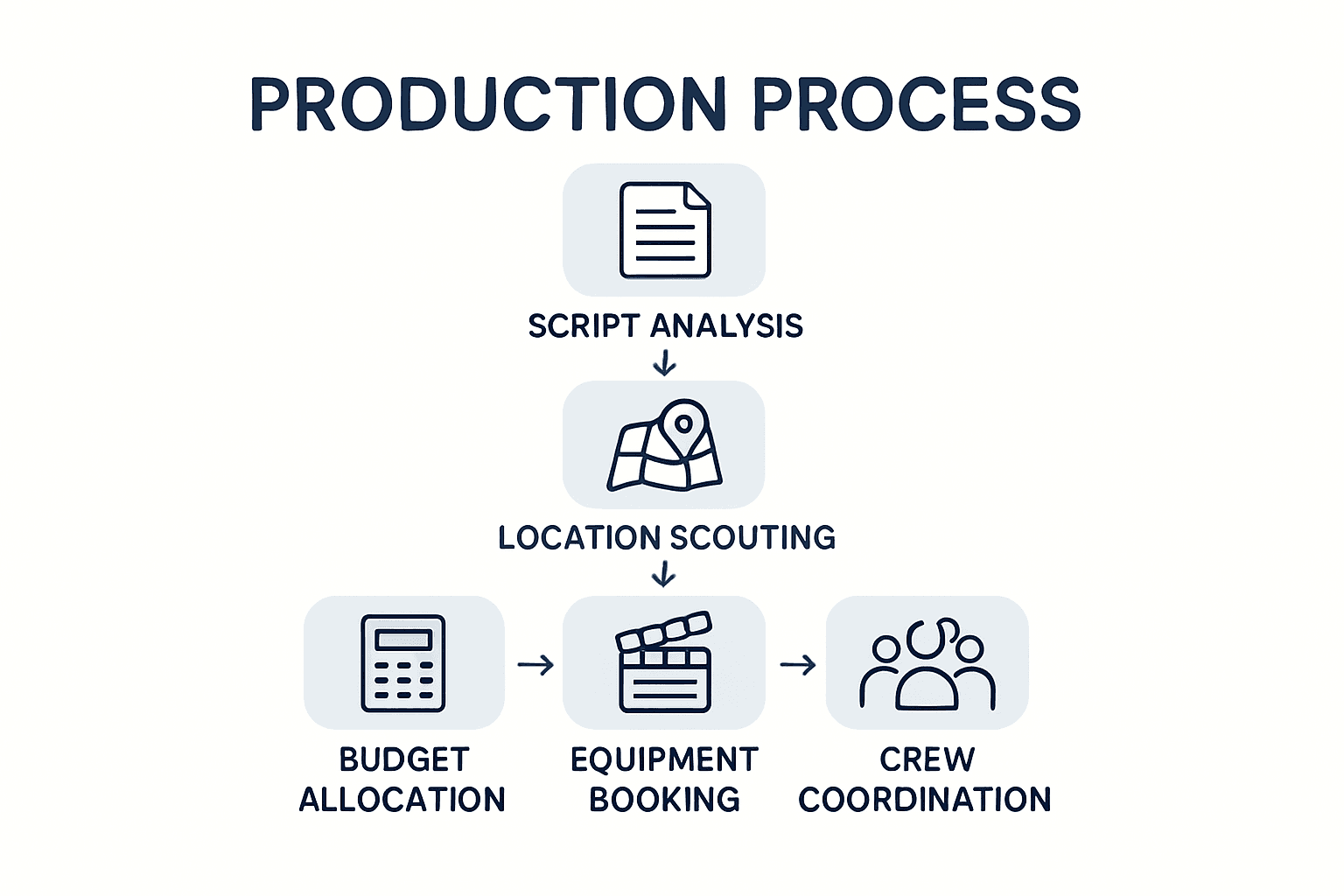
Advanced production control involves continuous monitoring and adaptive planning. This includes regular production meetings, daily progress tracking, risk assessment, and maintaining flexible contingency plans. Digital project management tools have revolutionized this process, enabling real-time communication, resource tracking, and instant schedule modifications. Successful productions leverage technology and human expertise to create dynamic planning frameworks that can quickly respond to unexpected challenges.
Pro Production Control Tip: Develop a comprehensive communication matrix before production begins. Establish clear communication channels, reporting hierarchies, and emergency contact protocols to ensure rapid problem resolution and maintain team alignment throughout the shooting process.
Managing Crew, Equipment, and Logistics
Successful film production hinges on meticulous management of crew, equipment, and logistical resources. Comprehensive equipment management strategies are crucial for ensuring that every production has the right tools and technology to execute its creative vision efficiently. This involves detailed inventory tracking, anticipating technical requirements, and maintaining backup systems to prevent potential production delays.
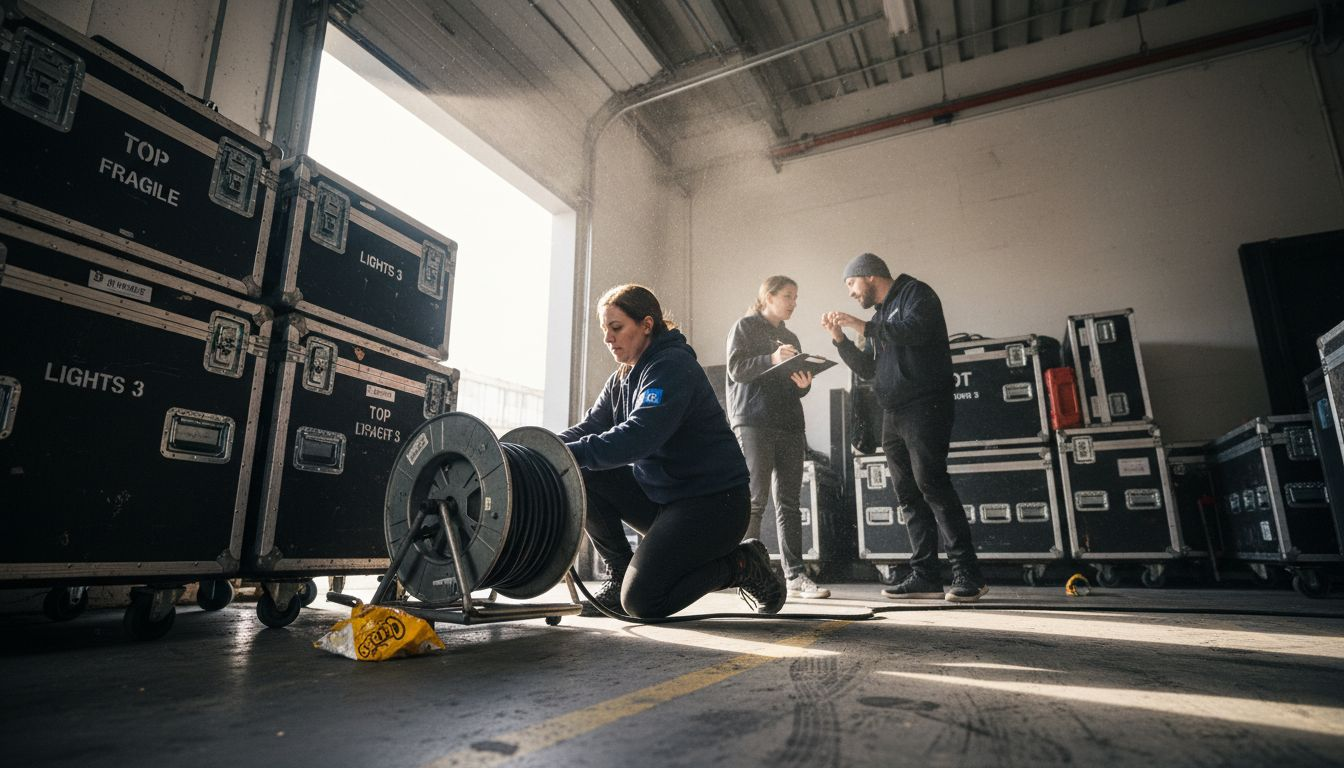
Crew coordination represents another critical aspect of production management. Team dynamics play a significant role in project success, requiring careful consideration of individual skills, interpersonal relationships, and workflow optimization. Creating structured shooting schedules and call sheets helps streamline communication, establish clear expectations, and maintain consistent productivity throughout the production process. Effective logistics management involves precise planning of transportation, accommodation, catering, and equipment transportation to minimize potential disruptions.
Modern production teams leverage advanced digital tools and project management software to coordinate complex logistical challenges. These technologies enable real-time communication, resource tracking, and instant schedule modifications. Successful productions implement robust contingency plans, maintaining flexibility to adapt quickly to unexpected challenges such as equipment failures, crew availability changes, or location restrictions. The key is developing a holistic approach that balances technological solutions with human expertise and adaptability.
Pro Logistics Management Tip: Develop a comprehensive digital asset management system before production begins. Centralize all equipment inventories, crew contact information, and logistical details in a cloud-based platform accessible to key team members, ensuring rapid information sharing and minimizing communication bottlenecks.
Risks, Pitfalls, and Compliance in Film Scheduling
Film production scheduling involves navigating a complex landscape of potential risks and regulatory challenges that can derail even the most meticulously planned projects. Talent scheduling presents particularly nuanced challenges, requiring production teams to balance multiple constraints including actor availability, budget limitations, and strict labor regulations. Understanding these potential pitfalls is crucial for maintaining production momentum and avoiding costly legal or financial complications.
Key risks in film scheduling encompass multiple dimensions, including legal, financial, and operational vulnerabilities. Compliance management becomes critical, demanding thorough understanding of labor laws, union regulations, location permits, and contractual obligations. Production boards help mitigate scheduling risks by providing visual tracking mechanisms that enable teams to anticipate potential conflicts and adjust schedules proactively. These tools allow productions to color-code and strategically arrange scenes, accounting for complex variables like location availability, cast constraints, and budgetary limitations.
Successful risk mitigation requires a multilayered approach that combines technological tools, legal expertise, and strategic planning. Advanced productions implement comprehensive risk assessment protocols that include contingency planning, insurance coverage, and flexible scheduling frameworks. Digital project management platforms now offer sophisticated tracking and prediction capabilities, enabling production teams to simulate potential scheduling scenarios and identify potential bottlenecks before they impact actual shooting schedules. The most effective risk management strategies integrate human expertise with technological solutions, creating adaptive frameworks that can respond quickly to unexpected challenges.
Below is a summary of major risk areas in film scheduling and common mitigation strategies:
Risk Area | Example Challenge | Mitigation Strategy |
Legal/Compliance | Labor law or permit issues | Regular legal review and permits |
Talent Availability | Actor schedule conflicts | Schedule optimization software |
Equipment Failure | Camera or lighting breakdown | Backup equipment and swift repairs |
Location Constraints | Last-minute changes or bans | Alternate locations pre-approved |
Pro Scheduling Risk Management Tip: Develop a comprehensive risk register before production begins. Document potential scheduling risks, assign probability and impact ratings, and create specific mitigation strategies for each identified potential disruption.
Streamline Your Film Shoot Scheduling with Expert Local Support
Successful production planning and control require precise coordination of crew, equipment, and logistics to avoid costly delays or compliance issues. This article highlights the importance of robust scheduling methods like block scheduling and talent optimization to ensure smooth shoots. If you are facing challenges with production planning and scheduling in Switzerland, relying on a trusted local partner can make all the difference.
At Video Production Switzerland, we specialize in managing every aspect of film shoot logistics from securing permits to coordinating expert crews and sourcing equipment. Our 20 years of local expertise means you get seamless scheduling support with built-in flexibility and risk mitigation. Don’t let unexpected hurdles disrupt your project—contact us now for a free consultation and let us handle the complexities so your production stays on time and on budget.
Frequently Asked Questions
What are the key components of scheduling in film production planning?
Effective scheduling in film production planning involves several key components, including script breakdown, resource allocation, location scouting, equipment preparation, talent coordination, and timeline development. These elements are crucial for creating efficient workflows and mitigating potential disruptions.
What are the different scheduling methods used in film production?
Common scheduling methods in film production include linear scheduling, block scheduling, reverse scheduling, and modular scheduling. Each method has unique strengths and limitations, allowing production teams to choose the best fit for their specific project needs.
How can advanced tools improve production planning and control?
Advanced tools enhance production planning and control by providing real-time collaboration, precise resource tracking, and dynamic schedule adjustments. These tools enable better communication among team members, helping to manage complex logistics and adapt to unexpected challenges effectively.
What risks should be considered in film scheduling, and how can they be mitigated?
Key risks in film scheduling include legal compliance issues, talent availability conflicts, equipment failures, and location constraints. Effective mitigation strategies involve thorough planning, regular legal reviews, backup equipment, and flexible scheduling frameworks to accommodate potential disruptions.
Recommended
