
7 Must-Know Zermatt Photo Spots for Film Crews

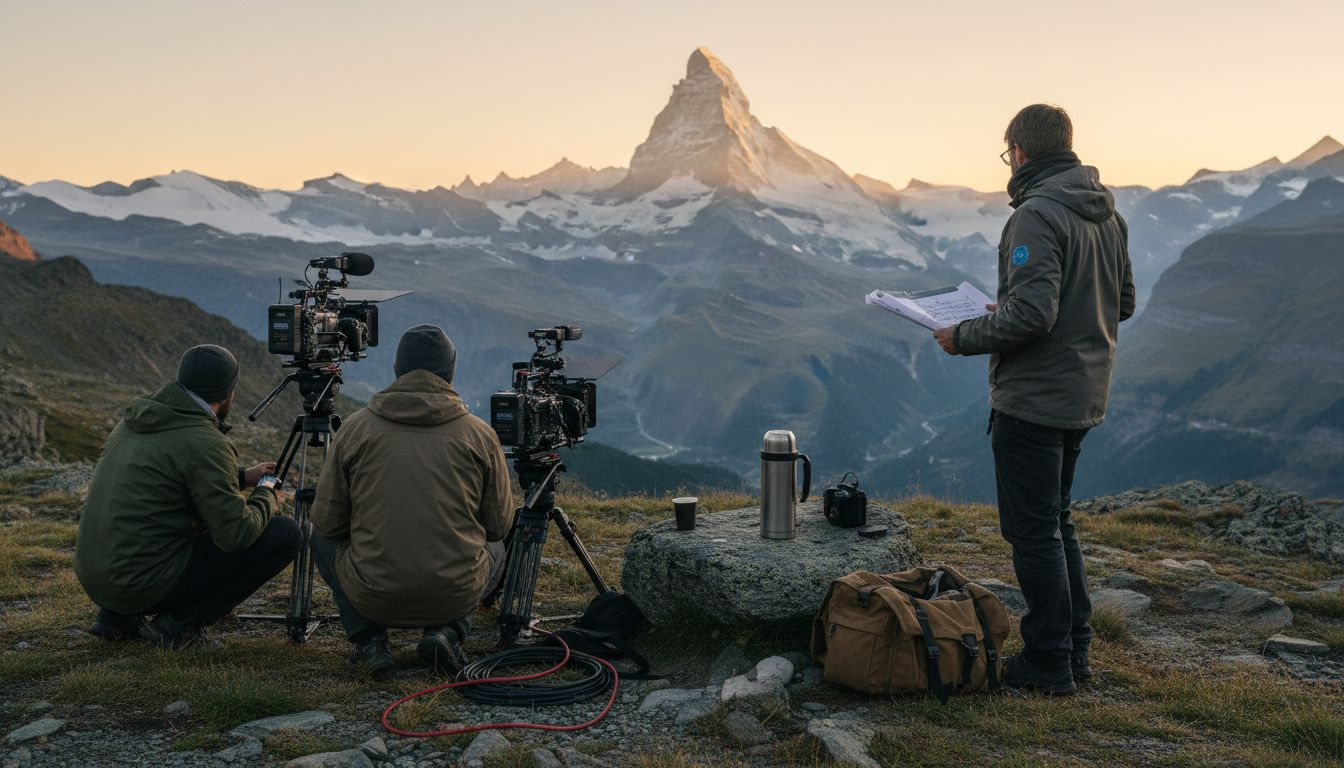
Over ninety percent of American filmmakers consider Switzerland’s Alpine villages and peaks among the world’s most striking cinematic landscapes. For directors and crews, every location choice shapes the look and mood of their project. From dizzying panoramic views atop the Gornergrat to serene lakes mirroring the famous Matterhorn, this roundup explores locations adored by professionals for their visual impact and technical advantages.
Table of Contents
Quick Summary
Takeaway | Explanation |
1. Utilize Gornergrat for wide shots | The Gornergrat viewpoint offers expansive views of the Matterhorn, ideal for capturing wide-angle cinematic shots. |
2. Capture dynamic railway movement | The Gornergrat Railway provides stunning alpine movement shots, perfect for integrating train movement with breathtaking scenery. |
3. Prioritize golden hour at Sunnegga | Shooting during golden hour at Sunnegga enhances visuals with dramatic lighting and textures, creating compelling mountain narratives. |
4. Film in Zermatt’s old village | The old village of Zermatt offers authentic Swiss architecture and atmosphere, enriching cinematography with cultural depth. |
5. Explore reflections at Riffelsee Lake | Riffelsee Lake allows filmmakers to capture striking symmetrical reflections of the Matterhorn, enhancing visual storytelling and composition. |
1. The Iconic Matterhorn Viewpoint for Wide Shots
Film crews searching for the ultimate panoramic mountain shot will find pure visual magic at the Gornergrat viewpoint in Zermatt. This stunning location offers cinematographers an unparalleled vista of the Matterhorn from a breathtaking 360 degree perspective, making it a premier destination for capturing Switzerland’s most iconic mountain.
The Gornergrat railway provides easy access to this world-class photography location, allowing film teams to transport heavy camera equipment without arduous hiking. Positioned at 10,135 feet above sea level, the viewpoint provides an expansive landscape that transforms the Matterhorn from a mere mountain into a cinematic centerpiece. Professional videographers appreciate how the surrounding Alpine terrain creates natural framing for wide angle shots.
When planning your shoot, arrive early in the morning or during golden hour when soft light dramatically illuminates the mountain’s jagged silhouette. The crisp mountain air and pristine snow-covered peaks create a visual canvas that can elevate any production’s visual storytelling. Film crews should plan for quick weather shifts and pack appropriate protective gear for camera equipment.
Pro tip: Secure a Swiss Alpine railway pass in advance and schedule your shoot during shoulder seasons like late spring or early autumn for the most stable weather conditions and fewer tourist crowds blocking your shots.
Key Shooting Considerations:
Optimal camera lens: Wide angle 16-35mm
Best time: Early morning or golden hour
Recommended altitude: 10,135 feet at Gornergrat
Equipment protection: Weatherproof camera covers
2. Gornergrat Railway: Dynamic Movement Scenes
Filmmakers seeking extraordinary dynamic movement shots will find the Gornergrat Railway an unparalleled cinematography resource. Professional film productions have already leveraged this scenic railway for capturing stunning alpine movement sequences, transforming ordinary train footage into cinematic masterpieces.
The railway offers filmmakers multiple advantages for creating compelling movement scenes. Its meticulously engineered route climbs from Zermatt to an elevation of 10,135 feet, providing dramatic elevation changes that can add visual complexity to tracking shots. The panoramic windows and open observation decks allow for multiple camera mounting options, enabling cinematographers to capture smooth, sweeping movements against the breathtaking Swiss Alpine backdrop.
Unique shot possibilities include tracking shots that transition from interior train spaces to expansive mountain landscapes, creating visual narratives that blend technical precision with natural beauty. The railway’s predictable route allows for precise shot planning, with opportunities to capture dynamic scenes that showcase both mechanical movement and environmental grandeur.
Technical Shooting Considerations:
Recommended camera stabilization: Gimbal or mountain tripod
Optimal lens: Wide angle 16-35mm
Best shooting times: Early morning or late afternoon
Camera mounting options: Interior windows, exterior observation platforms
Pro tip: Coordinate with Gornergrat Railway administration in advance to secure necessary filming permissions and explore potential custom route arrangements for your specific cinematographic requirements.
3. Sunnegga Paradise: Panoramic Golden Hour Angles
Film crews seeking the most breathtaking mountain cinematography will discover pure visual magic at Sunnegga Paradise, a location renowned for its extraordinary panoramic views during the transformative golden hour moments.
Sunnegga offers filmmakers a unique vantage point that elevates mountain cinematography from standard landscape shots to cinematic masterpieces. Positioned at an elevation that provides unobstructed views, this location transforms natural lighting into a dynamic storytelling element. The golden hour sunlight creates dramatic shadows and highlights across the Alpine terrain, generating visual depth that can dramatically enhance any film’s visual narrative.
The strategic positioning allows cinematographers to capture multiple compositional angles of the Matterhorn. Sunrise and sunset provide exceptional opportunities for capturing soft, warm light that accentuates the mountain’s rugged texture and creates stunning silhouettes. Professional video teams can leverage the changing light conditions to create mood and emotional resonance through visual storytelling.
Cinematography Considerations:
Optimal camera equipment: Wide angle lens (16-35mm)
Best shooting windows: 30 minutes before and after sunrise or sunset
Recommended camera settings: Low ISO, wider aperture
Essential gear: Tripod with smooth panoramic head
Pro tip: Arrive at least one hour before your desired shooting window to scout precise angles and set up equipment, allowing maximum flexibility during the brief golden hour window.
4. Old Village of Zermatt: Authentic Alpine Ambience
Filmmakers searching for an unparalleled backdrop of genuine Swiss mountain culture will discover cinematic gold in Zermatt’s old village, a location that offers pristine historical architecture and immersive Alpine storytelling opportunities.
The old village represents more than just a filming location. Its preserved wooden chalets, narrow cobblestone pathways, and traditional architectural elements create an authentic narrative environment that transports viewers directly into the heart of Swiss mountain culture. Unlike modern reconstructions, this village maintains its original character, providing filmmakers with a living museum of Alpine architectural heritage.
Cinematographers can leverage the village’s unique spatial design to create compelling visual narratives. The tight, winding streets offer natural framing techniques, while the traditional buildings provide rich textural backgrounds that add depth and authenticity to any production. Each building tells a story of generational craftsmanship, with wooden structures that have weathered decades of Alpine conditions.
Cinematography Considerations:
Recommended camera angles: Low and medium height shots
Best lighting conditions: Soft morning or late afternoon light
Optimal lens types: Wide angle and prime lenses
Key visual elements: Wooden facades, mountain backdrops, traditional details
Pro tip: Schedule location scouts during early morning or late afternoon hours when soft light enhances architectural textures and minimizes tourist traffic for more authentic shooting environments.
5. Riffelsee Lake: Classic Reflections for Impactful Frames
Filmmakers seeking visual poetry will discover pure cinematic magic at Riffelsee Lake, a location renowned for creating breathtaking symmetrical compositions with the Matterhorn’s perfect reflection.
Riffelsee Lake represents a pinnacle of natural cinematography, offering film crews an extraordinary opportunity to capture mirrored landscapes that transform ordinary mountain scenes into extraordinary visual narratives. The lake’s crystal clear surface acts like a natural mirror, creating perfect symmetry between the mountain and its reflection, which can dramatically enhance storytelling through visual metaphors.
The strategic positioning allows cinematographers to experiment with multiple compositional techniques. By adjusting camera angles and utilizing different times of day, filmmakers can capture everything from stark silhouettes to soft golden hour reflections. The lake’s elevation and surrounding Alpine terrain provide multiple vantage points for creating layered, complex visual compositions that transcend traditional landscape photography.
Cinematography Considerations:
Optimal shooting times: Early morning or late afternoon
Recommended camera equipment: Tripod with neutral density filters
Best lens types: Wide angle (16-35mm) and prime lenses
Key visual techniques: Symmetry, reflection, layered compositions
Pro tip: Bring a polarizing filter to manage surface reflections and enhance water clarity, allowing you to control the intensity and depth of the mountain’s reflection in your final shot.
6. Glacier Palace: Unique Ice Cave Cinematic Backdrops
Filmmakers searching for otherworldly visual landscapes will discover pure cinematic magic within the extraordinary ice sculptured tunnels of the Glacier Palace, a location that transforms ordinary mountain shooting into extraordinary narrative experiences.
The Glacier Palace represents a cinematographic wonderland where natural ice formations create surreal, almost alien environments that can dramatically enhance storytelling. Its intricate network of translucent blue ice tunnels and chambers provides filmmakers with unprecedented opportunities to capture scenes that blend geological marvel with artistic vision. Each tunnel and chamber offers unique lighting conditions, allowing creative teams to manipulate visual aesthetics through strategic camera positioning.
Unlike traditional mountain locations, the Glacier Palace presents dynamic shooting environments where light interacts with ice in mesmerizing ways. Cinematographers can leverage the natural blue tones, crystalline textures, and ethereal translucency to create scenes that feel both scientifically authentic and cinematically spectacular. The controlled environment also allows for consistent lighting and minimal external interference.
Cinematography Considerations:
Optimal camera equipment: Low light performance cameras
Recommended lens types: Wide angle and macro lenses
Lighting techniques: Soft diffused light, strategic backlighting
Essential gear: Thermal protective equipment for cameras
Pro tip: Bring specialized cold weather camera protection and extra battery packs, as temperature variations can significantly impact electronic equipment performance within the ice environment.
7. Flyover Perspectives from Zermatt Cable Cars
Filmmakers seeking extraordinary aerial cinematography will discover unparalleled visual storytelling opportunities through the dynamic cable car perspectives of Zermatt’s mountainous terrain, which have already been utilized in professional international productions.
Zermatt’s cable car network transforms conventional shooting techniques by offering cinematographers seamless vertical movement across dramatic Alpine landscapes. Unlike traditional ground based filming, these cable cars provide stabilized platforms that enable smooth tracking shots, panoramic sweeps, and immersive visual narratives that capture the region’s breathtaking topography. The carefully engineered routes traverse multiple elevation levels, allowing film crews to transition rapidly between different visual environments.
Professional cinematographers can leverage these cable car routes to create multilayered visual experiences. By strategically positioning cameras and utilizing the cable cars predictable trajectories, directors can capture complex movement sequences that blend technological precision with natural Alpine grandeur. The glass enclosed cabins offer unrestricted 360 degree views, eliminating traditional shooting limitations.
Cinematography Considerations:
Optimal camera equipment: Lightweight stabilized cameras
Recommended lens types: Wide angle and zoom lenses
Shooting techniques: Smooth tracking, panoramic sweeps
Essential gear: Vibration dampening camera mounts
Pro tip: Schedule multiple cable car trips during different times of day to capture varying light conditions and atmospheric changes, maximizing your potential visual storytelling opportunities.
Below is a comprehensive table summarizing the cinematographic locations and key considerations discussed throughout the article.
Location | Cinematic Features | Technical Considerations |
Gornergrat Viewpoint | 360-degree views of the Matterhorn, easy access via railway | Best lens: Wide angle 16-35mm, shoot at 10,135 feet, protect gear from weather |
Gornergrat Railway | Dynamic movement shots with Alps backdrop | Use gimbal or tripod, wide angle lens, plan for early/late hours |
Sunnegga Paradise | Golden hour panoramic views | Arrive 1 hour early, use wide angle lens, shoot 30 min around sunrise/sunset |
Old Village of Zermatt | Authentic Swiss architecture | Use low/medium shots, wide angle & prime lenses, best lighting in morning/afternoon |
Riffelsee Lake | Symmetrical reflections of the Matterhorn | Tripod with ND filters, best times are early/late, manage reflections with polarizer |
Glacier Palace | Surreal ice formations | Use low light cameras, wide/macro lenses, bring thermal protection |
Zermatt Cable Cars | Panoramic aerial shots | Lightweight stabilized cameras, wide/zoom lenses, multiple light condition trips |
Streamline Your Zermatt Film Shoot with Expert Local Production Support
Capturing stunning shots at iconic locations like Gornergrat viewpoint, Riffelsee Lake, or the Glacier Palace requires more than just great camera skills. Film crews often face challenges such as securing permits, coordinating logistics, or managing equipment in Swiss Alpine conditions. If you want to focus on creating spectacular visuals without the stress of planning or unexpected hurdles, professional support is essential. Our team specializes in navigating every aspect of filming in Switzerland from permits to trusted local crews, so your shoot runs smoothly from start to finish.
Take advantage of over 20 years of experience and a dedicated client-centric approach at Video Production Switzerland. Whether you need help scouting breathtaking spots like Sunnegga Paradise or arranging cable car filming permits, we handle every detail. Don’t let logistical complexity limit your creative vision. Visit https://videoproductionswitzerland.com now for a free consultation and ensure your next Zermatt production achieves cinematic excellence without compromise.
Frequently Asked Questions
What are the best times to shoot at the Gornergrat viewpoint for capturing the Matterhorn?
The best times to shoot at the Gornergrat viewpoint are early in the morning or during golden hour. Arrive before sunrise or sunset to take advantage of the soft light illuminating the mountain’s jagged silhouette.
How can I secure filming permissions for the Gornergrat Railway?
To secure filming permissions for the Gornergrat Railway, contact the railway administration in advance. Plan this step at least 30 days before your intended shoot to allow for any necessary arrangements.
What equipment should I bring for filming at Riffelsee Lake?
When filming at Riffelsee Lake, bring a tripod equipped with neutral density filters to manage reflections. This will help you capture the lake’s stunning symmetry with the Matterhorn effectively.
How do I capture dynamic movement shots on the Gornergrat Railway?
To capture dynamic movement shots on the Gornergrat Railway, use a gimbal or mountain tripod for stabilization. Position your cameras both inside the train and on exterior observation platforms to get diverse angles of the stunning landscape.
What lighting conditions enhance cinematography at Sunnegga Paradise?
Soft morning or late afternoon light enhances cinematography at Sunnegga Paradise, creating dramatic shadows and highlights. Arrive at least one hour before your desired shooting window to scout for the best angles and locations.
What should I prepare for shooting in the Glacier Palace’s ice caves?
For shooting in the Glacier Palace, prepare low-light performance cameras and bring thermal protective equipment. Additionally, carry extra battery packs, as temperature variations can affect camera performance significantly.
Recommended
