
Film Editing Workflow: Ensuring Smooth International Productions

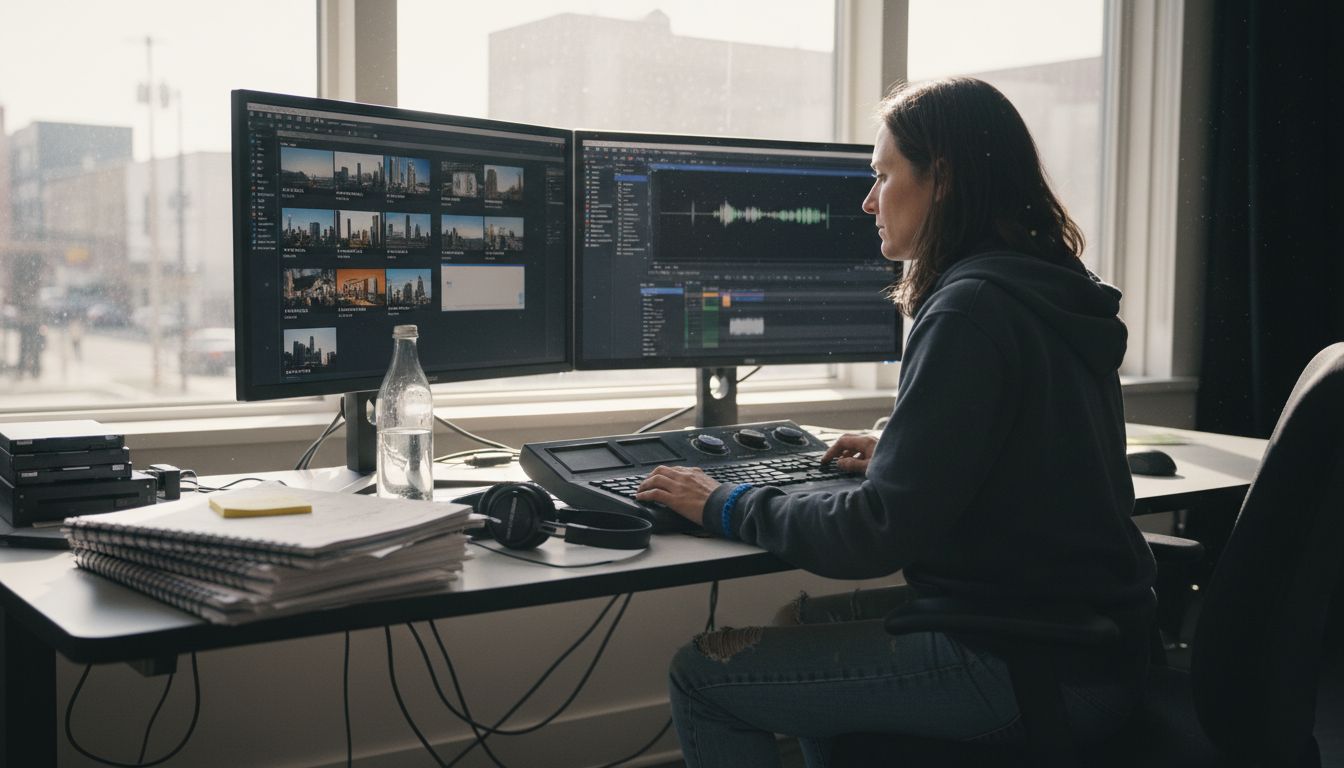
Most American film editors agree that a single mistake in workflow can set back an entire production by days. Film editing is not just about cutting clips, it is a detailed process that stitches together creativity, technology, and precise planning. With today’s international projects running at record pace, understanding every step of the modern editing workflow is crucial. This guide uncovers the proven strategies and essential tools professionals use to create seamless narratives from raw footage.
Table of Contents
Key Takeaways
Point | Details |
Film Editing Workflow | The editing process transforms raw footage into a narrative through systematic stages including ingesting, organizing, and advanced editing techniques. |
Collaboration is Key | Effective global teamwork hinges on robust communication protocols and use of advanced digital tools to ensure creative coherence. |
Attention to Detail | A thorough review process is essential to avoid common pitfalls like continuity errors and ensure high-quality output. |
Budget and Time Management | Detailed financial planning and scheduling are crucial for successful international productions, requiring comprehensive task identification and adaptability. |
Defining Film Editing Workflow in Production
A film editing workflow represents the systematic process of transforming raw footage into a cohesive narrative through strategic organizational, technical, and creative steps. Unlike traditional linear approaches, modern film editing requires sophisticated digital coordination across multiple production stages. Understanding the digital video workflow process reveals the complex infrastructure behind seamless international productions.
The contemporary editing workflow typically encompasses several critical phases that transform unprocessed recordings into polished cinematic experiences. These stages include ingest and media management, where raw camera footage gets imported and organized, followed by preliminary review and selection of the most compelling shots. Next comes the assembly stage, where selected clips are arranged into preliminary sequences, establishing narrative structure and pacing. Advanced editing then refines these initial compositions, incorporating transitions, color grading, sound design, and visual effects to enhance storytelling potential.
Professional film editors must master both technical skills and creative storytelling techniques. Video post-production workflow essentials highlight the intricate balance between technological proficiency and artistic vision. Successful workflows demand meticulous attention to detail, including:
Consistent file naming conventions
Robust backup and archival strategies
Collaborative review and approval processes
Comprehensive version control mechanisms
Standardized quality control checkpoints
By implementing structured approaches that prioritize clear communication and systematic progression, international production teams can navigate the complex landscape of modern film editing with precision and creative excellence.
Key Stages in the Editing Process
Film editing is a nuanced process involving multiple strategic stages that transform raw visual material into a compelling narrative. Understanding the stages of video editing for creatives reveals the intricate progression from initial footage capture to final production. Professional editors navigate these stages with precision, ensuring each phase contributes to the overall storytelling objectives.
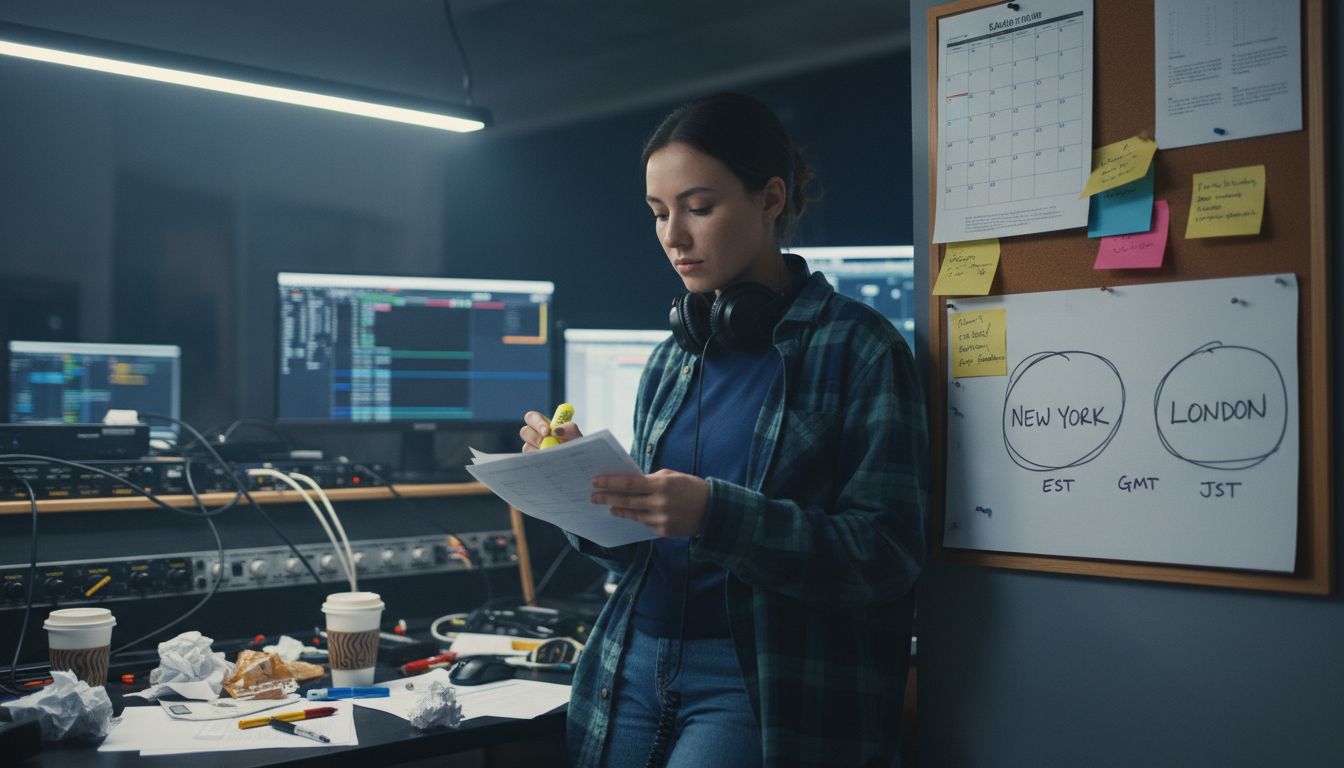
The editing workflow typically begins with ingestion and organization, where raw footage is imported, cataloged, and reviewed. During this initial stage, editors create comprehensive logs and select the most promising shots that align with the narrative vision. The next critical phase involves creating a rough cut, which represents the first structural assembly of selected scenes. This preliminary edit establishes fundamental narrative flow, allowing filmmakers to assess pacing, performance, and overall story progression before more detailed refinements.
As the editing process advances, editors progressively refine the material, moving toward what professionals call a picture lock. Picture lock represents a pivotal moment where all primary visual edits are finalized and approved, signaling readiness for subsequent post-production stages like sound design and color grading. The key stages typically follow this progression:
Footage Ingest and Organization
Preliminary Screening and Shot Selection
Rough Cut Development
Narrative Structure Refinement
Advanced Editing and Transitions
Picture Lock
Successful international productions demand extraordinary attention to detail and collaborative communication throughout these editing stages. By maintaining clear workflows and leveraging advanced digital tools, creative teams can transform raw recordings into powerful, emotionally resonant visual narratives that transcend cultural and linguistic boundaries.
Essential Editing Software and Tools
The landscape of film editing software has dramatically transformed, offering professionals an unprecedented array of powerful digital tools. Understanding video workflow software for filmmakers reveals the critical importance of selecting the right technological infrastructure for seamless international productions. Modern editing platforms must accommodate complex collaborative requirements and support diverse file formats across multiple geographic locations.
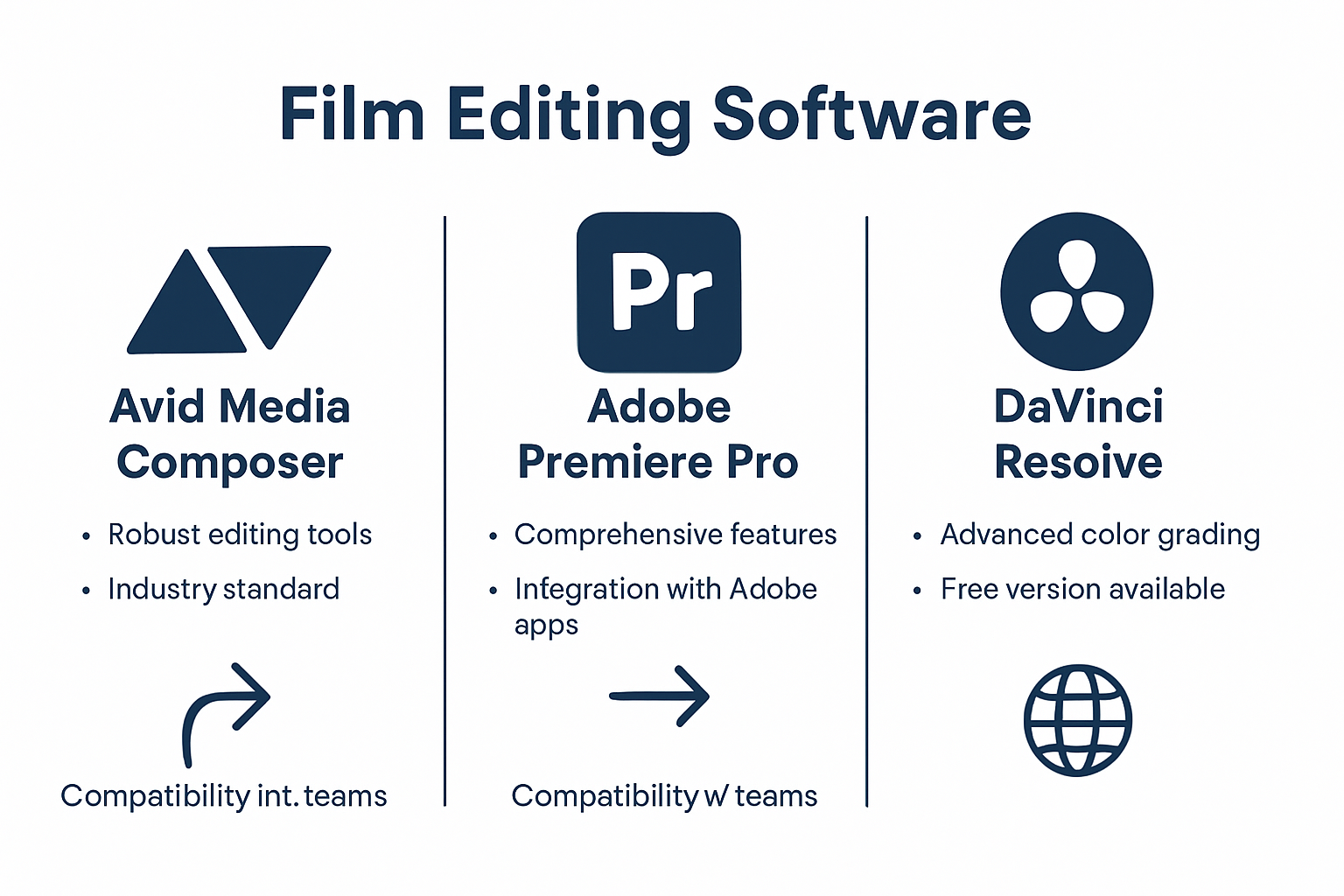
Professional editing suites typically revolve around robust non-linear editing (NLE) systems designed to handle intricate post-production workflows. Media Composer, developed by Avid Technology, remains a cornerstone tool widely adopted in film, television, and broadcast industries. These sophisticated platforms offer comprehensive features including multi-camera editing, advanced color correction, sophisticated audio mixing capabilities, and robust project management tools that enable smooth international collaboration.
Emerging technologies are pushing the boundaries of traditional editing paradigms. ExpressEdit, an innovative system powered by large language models, demonstrates how artificial intelligence is revolutionizing video editing by enabling natural language text and sketch-based editing interfaces. The essential software tools for contemporary film editing typically include:
Professional NLE Systems (Avid Media Composer, Adobe Premiere Pro)
Color Grading Software (DaVinci Resolve, Adobe SpeedGrade)
Audio Post-Production Tools (Pro Tools, Adobe Audition)
Visual Effects Platforms (Adobe After Effects, Nuke)
Collaborative Project Management Software
Successful international productions demand versatile technological ecosystems that can seamlessly integrate diverse editing tools, facilitate real-time collaboration, and maintain consistent quality across different production environments. By leveraging advanced software platforms and understanding their interconnected capabilities, creative teams can transcend traditional geographical and technical limitations.
Collaboration Strategies for Global Teams
International film editing requires sophisticated collaboration frameworks that transcend traditional geographic and technological barriers. How to manage remote teams for video production highlights the critical importance of developing robust communication protocols and technological infrastructures that enable seamless global teamwork. Modern production teams must leverage advanced digital tools and strategic communication approaches to maintain creative coherence and operational efficiency.
Emerging technological solutions are revolutionizing collaborative editing processes. LAVE, an innovative system integrating large language models, demonstrates how artificial intelligence can facilitate team interactions by providing agent assistance and language-augmented editing features. These sophisticated platforms enable team members to edit videos through multiple interfaces, dramatically reducing communication friction and enabling more intuitive collaborative workflows across different time zones and cultural contexts.
Successful global collaboration demands a multifaceted approach that combines technological innovation with strategic human interaction. L-Storyboard, a novel intermediate representation system, transforms discrete video shots into structured language descriptions, enhancing logical coherence and facilitating more nuanced communication among team members. The most effective collaboration strategies typically incorporate:
Real-time cloud-based editing platforms
Comprehensive version control systems
Synchronized communication channels
Clear project management protocols
Standardized file naming and organization conventions
Regular synchronous and asynchronous check-ins
Cultural sensitivity training
Ultimately, successful international film editing teams recognize that technology serves human creativity. By implementing flexible, intelligent collaboration strategies that respect both technological capabilities and human dynamics, creative professionals can transform geographic diversity from a potential challenge into a profound competitive advantage.
Common Mistakes and How to Avoid Them
Film editing demands precision and strategic decision-making, with even minor errors potentially derailing the entire narrative experience. Understanding video editor terms for effective filmmaking provides crucial insights into recognizing and mitigating common production pitfalls. Professional editors must develop a keen eye for subtle mistakes that can compromise the overall storytelling quality and viewer engagement.
Systematic reviews of film editing techniques reveal several critical areas where international production teams frequently encounter challenges. The most prevalent mistakes typically involve continuity errors, inappropriate transitions, and inconsistent narrative pacing. Editors must meticulously analyze each sequence, ensuring seamless visual storytelling that maintains the audience’s immersion and emotional connection. Common technical pitfalls include:
Inconsistent shot matching and color grading
Abrupt or illogical scene transitions
Misaligned audio-visual synchronization
Overlooking subtle continuity details
Neglecting proper color and exposure consistency
Insufficient attention to rhythm and emotional flow
Producing great sound for film and video emphasizes that many editing mistakes stem from inadequate pre-production planning and insufficient technical understanding. Successful international teams combat these challenges through rigorous preparation, consistent communication, and a commitment to maintaining high-quality technical and creative standards. By anticipating potential errors and implementing proactive review processes, creative professionals can transform potential mistakes into opportunities for innovative storytelling and refined visual communication.
Budgeting and Time Management Considerations
International film productions require meticulous financial planning and strategic time allocation to ensure successful outcomes. Create a time planning sheet for stress-free shoots highlights the critical importance of developing comprehensive scheduling frameworks that balance creative vision with practical constraints. Effective budgeting goes far beyond simple cost tracking, demanding nuanced understanding of resource allocation across complex global production environments.
Modern post-production film workflow workshops emphasize the need for comprehensive task identification and skill mapping to optimize project timelines. Successful international teams must anticipate potential bottlenecks, build strategic buffer periods, and develop flexible frameworks that can adapt to unexpected challenges. Critical budgeting considerations typically include:
Detailed personnel cost projections
Equipment rental and transportation expenses
Location permit and clearance fees
Post-production technology and software licensing
International travel and accommodation costs
Contingency funds for unexpected complications
Currency exchange rate fluctuations
Potential legal and compliance expenses
Comprehensive filmmaking guides underscore that effective time management requires holistic understanding of each production stage’s unique requirements. By developing robust financial models, implementing rigorous tracking mechanisms, and maintaining open communication channels, international production teams can transform potential budget challenges into opportunities for creative and logistical innovation.
Master Your Film Editing Workflow with Expert Local Support in Switzerland
Navigating the complex stages of film editing workflow demands precision, seamless collaboration, and reliable technical infrastructure especially in international productions. From file organization and version control to achieving perfect picture lock and managing post-production across time zones, every detail is crucial. When challenges like coordinating crews, equipment, and permits in unfamiliar locations arise, your creative vision can easily be compromised.
Partnering with a trusted local expert like VideoProductionSwitzerland empowers you to overcome logistical hurdles effortlessly. With over 20 years of experience, their professional team offers comprehensive support including trusted crew sourcing, location scouting, permit management, and streamlined transportation logistics tailored to international filmmakers. Achieve smooth, on-time shoots that let your editing process focus purely on storytelling. Dive deeper into how they optimize your entire production cycle by visiting their landing page and discover expert insights on managing remote video production teams. Start your journey towards flawless film editing by securing your free consultation today and transform your international production challenges into creative triumphs.
Frequently Asked Questions
What are the key stages in a film editing workflow?
The key stages in a film editing workflow typically include: 1) Footage Ingest and Organization, 2) Preliminary Screening and Shot Selection, 3) Rough Cut Development, 4) Narrative Structure Refinement, 5) Advanced Editing and Transitions, and 6) Picture Lock.
What software tools are essential for modern film editing?
Essential software tools for modern film editing include professional Non-Linear Editing (NLE) systems like Avid Media Composer and Adobe Premiere Pro, color grading software such as DaVinci Resolve, audio post-production tools like Pro Tools, visual effects platforms including Adobe After Effects, and collaborative project management software.
How can international film editing teams improve collaboration?
International film editing teams can improve collaboration by using real-time cloud-based editing platforms, implementing version control systems, maintaining synchronized communication channels, establishing clear project management protocols, and conducting regular check-ins to enhance team interactions.
What are common mistakes to avoid in film editing?
Common mistakes to avoid in film editing include continuity errors, inappropriate transitions, inconsistent narrative pacing, and technical issues like misaligned audio-visual synchronization. Editors should focus on meticulous analysis of each sequence to ensure seamless visual storytelling.
Recommended
The Importance of Production Planning for International Media
What Is a Line Producer? Role, Skills, and Importance Explained
Understanding Finance Management For Creative Professionals
