
What Do Production Coordinators Do Day-to-Day?


Planning a shoot in Switzerland means juggling a maze of logistics with tight deadlines and high expectations. International filmmakers and production managers know that smooth execution depends on skilled production coordinators who connect local crews, secure permits, and keep every detail on track. Understanding the core responsibilities and critical skills behind this role sets a solid foundation for navigating Switzerland’s unique production landscape and maximizing your project’s success.
Table of Contents
Key Takeaways
Point | Details |
Role Importance | Production coordinators are essential for managing the logistical and administrative aspects of film, television, and video productions. |
Core Responsibilities | Their duties include managing schedules, communication, and documentation to ensure the smooth execution of projects. |
Essential Skills | Strong organizational, communication, and technical skills are necessary for effective production coordination. |
Logistical Challenges | Coordinators must navigate complex permits, local crew management, and unexpected challenges to keep productions on track. |
Defining the Role of Production Coordinators
Production coordinators are pivotal professionals who act as the critical operational backbone for film, television, and video production environments. These skilled professionals manage the intricate administrative and logistical aspects that keep complex media projects running smoothly. A production coordinator manages organizational processes that ensure efficient workflow and communication across multiple teams.
In film and television settings, production coordinators typically perform a wide range of essential tasks:
Managing production office administrative functions
Writing and distributing crew lists
Handling script distribution to cast and crew
Coordinating transportation logistics
Tracking inventory and production performance
Communicating between different departmental teams
The role requires exceptional organizational skills and the ability to multitask effectively. Production coordinators must be detail-oriented professionals who can anticipate potential challenges and proactively implement solutions. They serve as the critical communication hub, ensuring that all production team members have the information and resources they need to execute their responsibilities.
Communication Skills are particularly crucial in this role. Production coordinators must interface with directors, producers, actors, crew members, and sometimes external vendors, translating complex production requirements into clear, actionable instructions. Their ability to maintain smooth, professional communication can significantly impact a production’s overall efficiency and success.
Pro tip: Develop a robust digital filing system and communication protocol to streamline information management and reduce potential miscommunication during complex productions.
Core Duties and Daily Workflow in Film
Film production coordinators maintain a complex and dynamic daily workflow that requires exceptional organizational skills and constant communication. They are responsible for managing intricate production office operations that keep film projects moving forward efficiently. Their role involves coordinating multiple teams, tracking critical documentation, and ensuring smooth communication across all production departments.
A typical day for a production coordinator might include several key responsibilities:
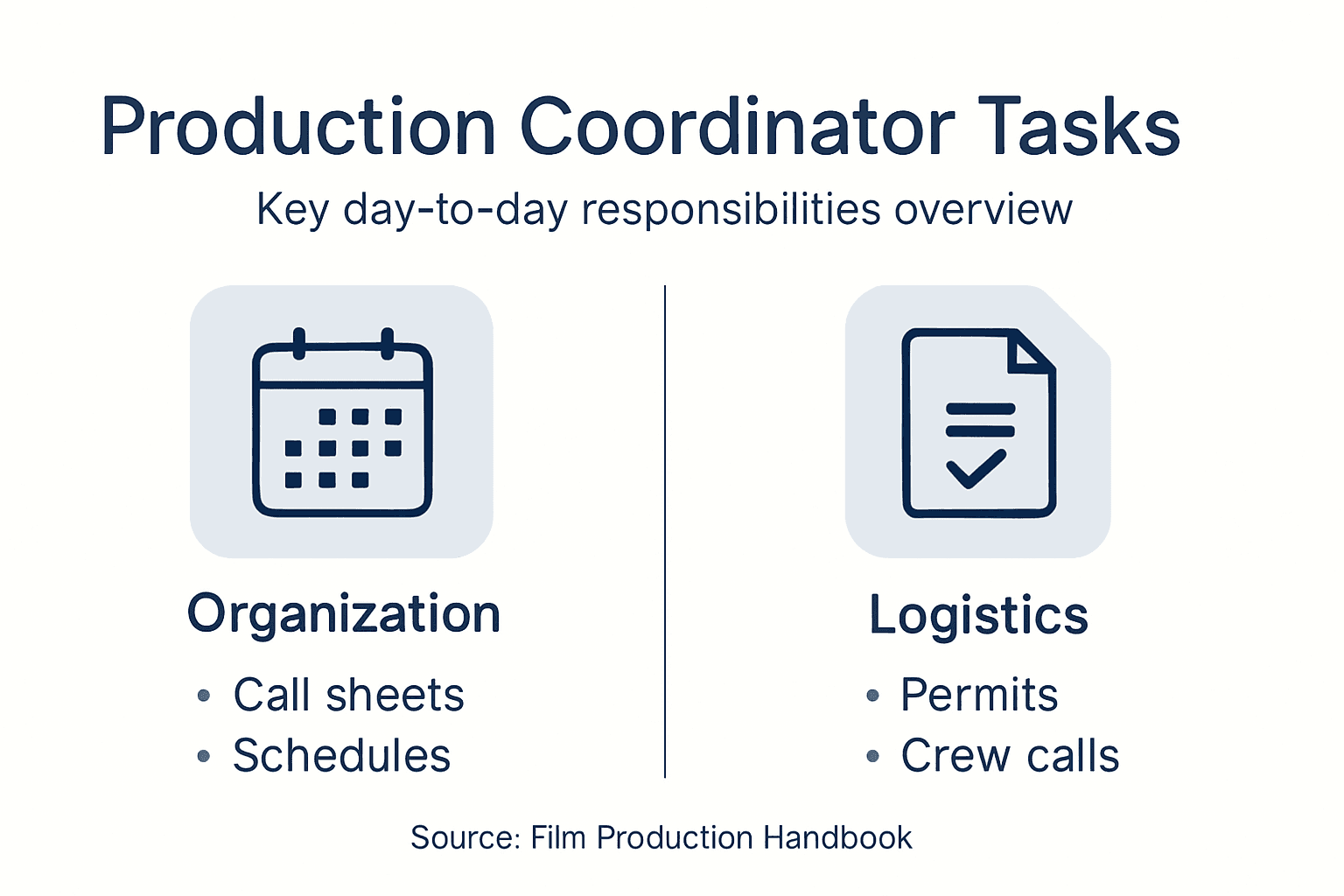
Preparing and distributing daily call sheets
Tracking and updating production schedules
Managing crew communication channels
Coordinating equipment and location logistics
Processing and filing production-related paperwork
Tracking budget expenditures and expense reports
Facilitating communication between department heads
Production Documentation plays a crucial role in their workflow. Coordinators often maintain comprehensive production management resources that serve as critical reference points for the entire production team. These documents, sometimes called a “production bible,” include detailed scene breakdowns, crew contact information, location maps, shooting schedules, and permit documentation.
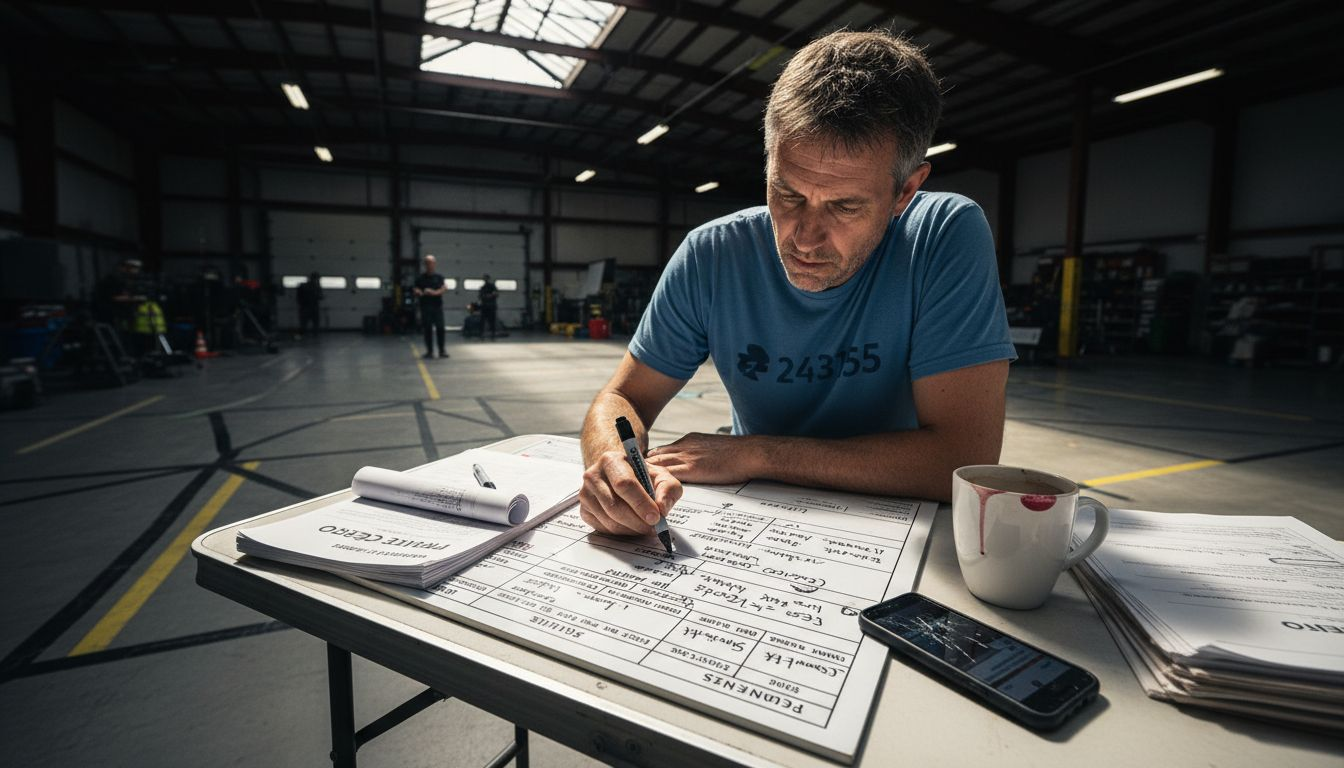
Successful production coordinators excel at anticipating potential challenges and proactively developing solutions. They must remain calm under pressure, adapt quickly to changing circumstances, and maintain clear, professional communication with everyone from junior crew members to senior production executives.
Pro tip: Create a digital workflow management system with real-time updates and cloud-based document sharing to streamline communication and reduce potential miscommunication during complex film productions.
Essential Skills and Qualifications Needed
Successful production coordinators possess a unique blend of technical skills and interpersonal capabilities that enable them to manage complex film production environments. Key professional skills include organizational excellence and the ability to coordinate multiple simultaneous tasks with precision and efficiency.
Critical skills and qualifications for production coordinators include:
Strong organizational and time management abilities
Excellent verbal and written communication skills
Proficiency in project management software
Advanced problem-solving capabilities
Detail-oriented approach to documentation
Ability to work under high-pressure environments
Basic understanding of film production workflows
Technical proficiency with digital communication tools
Technical Competencies are increasingly important in modern production coordination. Professionals must demonstrate advanced project management capabilities that allow them to track complex production requirements while maintaining high-quality standards. This includes proficiency with digital scheduling software, budget tracking tools, and communication platforms that enable real-time collaboration.
Educational backgrounds for production coordinators vary, but most successful candidates hold a bachelor’s degree in film production, communications, business administration, or a related field. Many professionals also gain additional certifications in project management or specialized production software to enhance their marketability and technical expertise.
Here’s a summary of core skill categories and their impact on the production coordinator role:
Skill Category | Description | Business Impact |
Organizational | Prioritizes tasks and deadlines | Enables smooth project execution |
Communication | Interfaces across departments | Prevents costly miscommunication |
Technical Proficiency | Uses digital project tools | Improves workflow efficiency |
Problem-Solving | Proactively resolves challenges | Reduces production delays |
Pro tip: Develop a comprehensive digital portfolio showcasing your project management skills, communication abilities, and technical proficiencies to stand out in competitive film production job markets.
Managing Permits, Local Crew, and Logistics
Production coordinators play a critical role in managing the complex logistics of international film productions, requiring extensive knowledge of local regulations and production requirements. Film commissions provide essential support to help navigate the intricate landscape of permits, local crew recruitment, and municipal interactions.
Key logistics management responsibilities include:
Acquiring necessary filming permits
Coordinating with local municipal departments
Recruiting and vetting local crew members
Managing location access and permissions
Ensuring compliance with regional regulations
Negotiating location fees and administrative requirements
Facilitating communication between production teams and local authorities
Permit Acquisition represents one of the most crucial aspects of production coordination. Film offices manage critical production logistics by serving as intermediaries between production teams and local government entities. This involves navigating complex bureaucratic processes, understanding local filming regulations, and securing timely approvals for shooting locations.
Successful logistics management requires production coordinators to develop robust networks with local film commissions, government officials, and community stakeholders. They must possess exceptional communication skills, cultural sensitivity, and a comprehensive understanding of local production ecosystems to ensure smooth and compliant film shoots.
Below is a comparison of permit and logistics strategies for domestic vs. international productions:
Aspect | Domestic Production | International Production |
Permit Complexity | Standard municipal process | Multiple country-specific regulations |
Crew Recruitment | Local industry networks | Cultural adaptation, local vetting |
Location Management | Known regional access | Requires cultural and legal sensitivity |
Regulatory Compliance | Familiar legal frameworks | Must research unique local policies |
Pro tip: Develop comprehensive local contacts and maintain detailed digital databases of permit requirements, location regulations, and crew resources for each filming region to streamline future production logistics.
Common Challenges and How to Navigate Them
Production coordinators face numerous complex challenges that require strategic problem-solving and adaptable communication skills. Effective coordination demands robust leadership techniques to manage unexpected situations and maintain production momentum.
Common challenges production coordinators encounter include:
Rapidly changing production schedules
Budget constraints and financial limitations
Permit and location access complications
Cultural and language barriers in international productions
Equipment and logistical resource management
Communication breakdowns between departments
Unexpected technical or personnel issues
Logistical Complexity represents a significant challenge in film production coordination. Film commissions help mitigate production obstacles by providing expert guidance and local insights that can streamline permit processes and minimize potential disruptions.
Successful navigation of these challenges requires production coordinators to develop flexible strategies, maintain clear communication channels, and cultivate strong relationships with local stakeholders. This involves anticipating potential problems, creating contingency plans, and remaining calm under pressure while finding creative solutions that keep the production moving forward.
Pro tip: Create a comprehensive digital risk management toolkit with detailed backup plans, local contact networks, and flexible scheduling strategies to proactively address potential production challenges.
Streamline Your Production Coordination with Expert Support in Switzerland
Production coordinators face intense challenges managing permits, local crews, logistics, and real-time communication to keep film projects on track. This article highlights how vital organized workflows, clear communication, and local knowledge are to avoiding costly delays and stress. If you seek to conquer these complexities during your next production, having a trusted local partner in Switzerland can transform your experience.
At Video Production Switzerland, we specialize in simplifying your day-to-day production coordination by handling permits, sourcing reliable local crew, managing equipment logistics, and securing locations. With over 20 years of expertise, our client-focused approach ensures smooth, on-time shoots without the headache of navigating unfamiliar regulations or logistical hurdles. Don’t wait until schedules and budgets are at risk. Contact us now for a free consultation and experience seamless production management designed to keep your projects running effortlessly.
Frequently Asked Questions
What tasks does a production coordinator handle on a daily basis?
Production coordinators manage day-to-day operations, including preparing daily call sheets, updating production schedules, coordinating equipment and location logistics, tracking budget expenditures, and facilitating communication among crew members.
What essential skills are required to be a successful production coordinator?
Successful production coordinators need strong organizational skills, excellent verbal and written communication abilities, proficiency in project management software, advanced problem-solving capabilities, and a detail-oriented approach to documentation.
How do production coordinators manage logistics and permits for film productions?
Production coordinators acquire necessary filming permits, coordinate with local municipal departments, recruit local crew members, manage location permissions, and ensure compliance with regional regulations to facilitate smooth filming operations.
What are some common challenges faced by production coordinators?
Common challenges include rapidly changing production schedules, budget constraints, permit complications, cultural and language barriers in international productions, equipment management issues, and communication breakdowns between departments.
Recommended
